
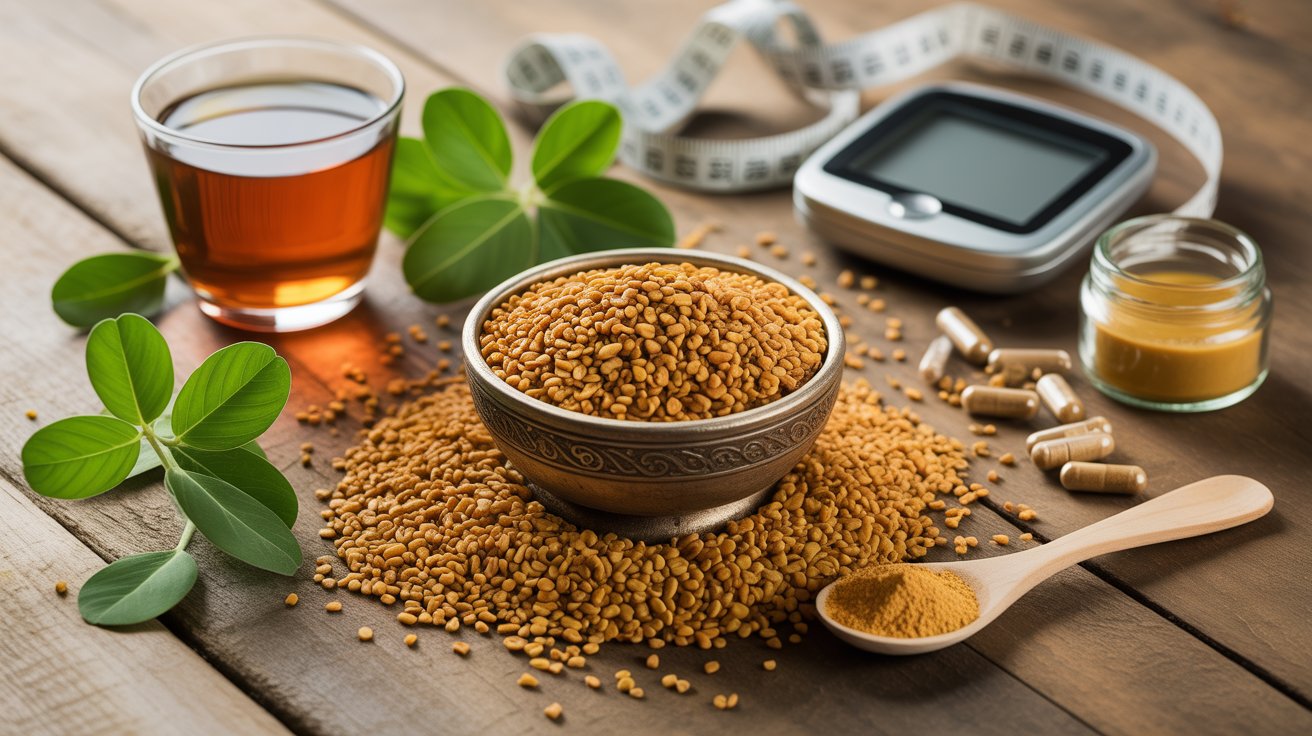
Most people walk past foenegriek in grocery stores without recognizing its potential. This golden-brown seed carries bioactive compounds that pharmaceutical companies spend millions trying to replicate. Ancient Egyptians valued it enough to include it in embalming rituals, while Ayurvedic practitioners prescribed it for hormonal imbalances centuries before modern endocrinology existed. What makes foenegriek fascinating isn’t just its historical significance; it’s how modern research validates traditional wisdom.
The galactomannan fiber content rivals synthetic supplements, the phytoestrogen profile supports lactation more effectively than many commercial products, and the anti-inflammatory properties challenge conventional treatments. Yet most wellness discussions overlook this herb entirely. The protein per serving exceeds that of many marketed supplements, iron content prevents anemia naturally, and digestive benefits appear within days of consistent use. Let’s explore why practitioners who understand nutritional biochemistry consistently recommend foenegriek for metabolic support and hormonal balance.
What Is Foenegriek and Why It’s Gaining Popularity
Here’s what confuses people: foenegriek and fenugreek are identical. The Dutch term refers to Trigonella foenum-graecum, a leguminous plant whose seeds pack more protein than many supplements.
The plant grows two feet tall with striking green foliage. Harvest happens when pods dry, revealing distinctive amber seeds everyone recognizes from Indian curries.
Native territories span the Mediterranean coastlines through Egypt to the North African highlands. India remains the largest cultivator, producing varieties with different saponin concentrations depending on soil composition.
Traditional Indian medicine categorized fenugreek as a heating spice, not in terms of temperature, but metabolically. Modern thermogenesis studies confirm slight metabolic enhancement, though not to supplement levels.
Greeks like Hippocrates documented digestive applications around 400 BCE. Centuries later, we understand why: the mucilage content creates a protective gastric coating that pharmaceutical antacids chemically replicate.
What’s driving current popularity? Nursing mothers discovered supplements boost milk production measurably within 72 hours. Social media amplified results faster than clinical trials.
The Nutritional Powerhouse: Foenegriek’s Complete Profile
Forget superfood marketing, look at actual data. One hundred grams contains 24 grams of fiber, more than most fiber supplements per equivalent weight.
| Nutrient | Amount (per 100g) | Key Benefit |
| Fiber | 24g | Regulates glucose absorption, supports digestion |
| Protein | 23g | Muscle repair, metabolic function |
| Iron | 33mg | Prevents anemia, improves circulation |
| Magnesium | 191mg | Reduces cramps, supports nerves |
| Calcium | 176mg | Bone density maintenance |
| Vitamin C | 3.8mg | Collagen production, immunity |
The protein content surprises people; 23 grams rivals many animal sources. For plant-based diets, foenegriek offers complete amino acid profiles rarely found in single botanical sources.
Bioactive compounds matter more than macronutrients. Saponins reduce cholesterol by binding bile acids, forcing liver metabolism of stored cholesterol. That’s a pharmaceutical-grade mechanism from simple seeds.
Galactomannan, the soluble fiber component, slows carbohydrate breakdown in digestive tracts. Diabetics see measurable post-meal glucose reduction comparable to some medications.
Alkaloids present include trigonelline and fenugreekine, demonstrating anti-inflammatory activity in laboratory settings.
Flavonoids and polyphenols contribute to antioxidant capacity. Foenegriek’s ORAC values legitimately place it among effective dietary sources.
Iron content deserves emphasis; 33mg exceeds daily requirements substantially. For individuals with absorption issues or vegetarians, foenegriek provides highly bioavailable iron.
Evidence-Based Health Benefits of Foenegriek
Blood Sugar Management and Diabetes Support
Galactomannan fiber forms a viscous solution in the digestive tract, physically slowing the passage of glucose through the intestinal wall. A 2018 meta-analysis examined 12 controlled trials. Fasting glucose levels dropped significantly, 15-20 mg/dL reductions, which clinically matters for borderline diabetics.
But here’s the contrarian take: foenegriek isn’t diabetes treatment. It’s glucose modulation support. Type 2 diabetics using foenegriek alongside prescribed medications report better overall control. That synergistic effect deserves attention, though medical supervision remains mandatory.
Digestive Health and Gut Wellness
Mucilage content gets overlooked in favor of trendy probiotics. This soluble fiber creates a protective coating along the stomach lining, reducing gastritis symptoms within days. Constipation relief happens mechanically. 24g fiber means adequate hydration produces predictable results. Acid reflux sufferers find tea surprisingly effective. The mucilage creates a barrier preventing acid contact with the esophageal tissue.
Lactation Enhancement for Breastfeeding Mothers
A 2015 study tracked 60 nursing mothers taking supplements. Milk production increased 50% within three days for most participants. Phytoestrogens mimic estrogen’s mammary gland stimulation without pharmaceutical hormone risks. For mothers struggling with supply, foenegriek often succeeds where other interventions fail. Dosing matters: 500mg to 1 gram three times daily shows consistent results.
Hormonal Balance and Women’s Health
Menstrual irregularity often stems from estrogen-progesterone imbalance. Foenegriek’s phytoestrogens provide gentle modulation sufficient to address mild dysregulation. PMS symptom reduction appears in clinical observations. Menopause presents interesting applications. Hot flashes and night sweats diminish for some women using foenegriek regularly through hypothalamic thermoregulation.
Additional Proven Benefits
Weight management requires context. Foenegriek increases satiety through fiber expansion and slows gastric emptying. Anti-inflammatory properties show promise for arthritis sufferers. Joint pain reduction happens gradually over weeks. Skin inflammation responds to a topical paste. Acne sufferers using masks twice weekly report reduced breakouts from antibacterial properties combined with antioxidant activity. Hair follicle strengthening happens with regular application.
How to Use Foenegriek: Practical Dosage Guide
Everyone asks about forms: seeds, powder, capsules, tea, oil. Each serves different purposes with distinct absorption rates. Whole seeds require overnight soaking for digestibility. Chewing raw seeds causes gastric distress. Ground powder integrates into cooking easily but loses potency within months. Refrigerate after opening and use within six months. Capsules provide standardized dosing at 500mg typically.
Tea preparation releases water-soluble compounds while leaving fiber residue. Crush seeds first, steep 10-15 minutes in boiling water, and strain before drinking.
Purpose-Specific Recommendations:
- Blood Sugar Control: 1 teaspoon of soaked seeds 30 minutes before meals
- Lactation Support: 500mg-1g capsules three times daily with food
- Digestive Health: 1-2 cups of tea daily between meals
- Skin Applications: Mix powder with yogurt, apply for 20 minutes
Starting doses should begin lower than recommendations. Individual tolerance varies based on digestive sensitivity. Timing matters more than most realize. Taking foenegriek with meals maximizes glucose modulation benefits but may reduce absorption of concurrent medications. Consistency produces results; sporadic use accomplishes little. Daily intake for a minimum of two weeks before assessing effectiveness.
Culinary Uses: Cooking with Foenegriek
The maple syrup aroma confuses first-time users. That’s sotolone, the compound responsible for the distinctive sweetness underlying bitter notes. Indian cuisine uses foenegriek extensively, but Western cooking overlooks its potential.
Toasting whole seeds before grinding intensifies flavor while reducing bitterness critical technique most recipes omit. Try these alternatives:
- Sprinkle ground on roasted vegetables
- Mix into bread dough for complexity
- Add crushed seeds to homemade pickles
- Blend small amounts into smoothies
Pairing works best with cumin, coriander, and turmeric. These spices complement rather than compete. Mediterranean cuisines are occasionally used in stews. Long cooking time mellows intensity while infusing depth that commercial blends rarely achieve. Start conservative quarter-teaspoon additions provide sufficient impact for most palates.
Foenegriek for Beauty: Natural Skin and Hair Care
Commercial beauty products add extracts, then charge premium prices. Making effective treatments at home requires only powder and carrier ingredients.
Hair Growth Mask: Mix 3 tablespoons of powder with enough coconut oil to create a paste. Apply to scalp, massage gently, leave for a minimum of 30 minutes. Protein content strengthens follicles directly. Regular use twice weekly for two months shows measurable improvement in hair texture and reduced breakage.
Acne Treatment Mask: Combine 2 tablespoons of powder with 1 tablespoon raw honey and water to achieve a spreadable consistency. Apply to affected areas, allow 20 minutes. Anti-inflammatory properties reduce redness within days. Antibacterial action addresses causative bacteria without harsh chemicals.
Dandruff Scalp Treatment: Create a thin paste using powder and yogurt in a 1:1 ratio. Apply to the scalp only, leave for 20 minutes. Antifungal compounds target Malassezia, the yeast responsible for most dandruff cases. Patch testing remains essential.
Safety First: Side Effects, Precautions, and Interactions
Most side effects stem from excessive dosing. Gastric discomfort, bloating, and diarrhea indicate too much too fast, reduce quantity, and increase gradually. The maple syrup body odor surprises users. High doses cause sotolone excretion through sweat and urine.
Critical Drug Interactions:
Blood thinners like warfarin interact with vitamin K content. Coagulation times may fluctuate unpredictably. Diabetes medications combined with foenegriek require careful glucose monitoring. The additive hypoglycemic effect risks dangerous blood sugar drops.
Who Should Avoid:
Pregnant women face real uterine contractions with medicinal doses. Small culinary amounts pose minimal concern. Individuals with Apiaceae family allergies may cross-react. Children under 12 shouldn’t use medicinal doses without pediatric guidance. Hormone-sensitive conditions require caution. While phytoestrogens differ from synthetic hormones, estrogen-receptor-positive breast cancer patients should consult oncologists before use. Start with tiny amounts if uncertain about sensitivity and monitor carefully.
Buying and Storing Foenegriek Properly
Quality varies dramatically between sources. Ethnic grocery stores often stock fresher seeds than mainstream supermarkets, where inventory sits for months. Fresh seeds smell intensely aromatic, musty or flat scent indicates age. Check for uniform golden-brown color.
Online retailers offer convenience but obscure freshness indicators. Purchase from vendors specializing in spices with high turnover. Organic certification matters less for foenegriek than for other crops.
Storage best practices:
- Whole seeds: Airtight glass container, cool dark cupboard, 18-24 months
- Ground powder: Refrigerate in a sealed container, use within 6 months
- Capsules: Follow the manufacturer’s dating
Freezing extends powder shelf life but requires careful moisture protection. Signs of spoilage include rancid smell, clumping, or visible mold. Discard immediately compromised foenegriek poses contamination risks.
Conclusion
Foenegriek represents botanical medicine meeting modern wellness needs. The clinical evidence supporting blood sugar modulation, lactation enhancement, and digestive benefits exceeds many trendy supplements with a fraction of the research backing. What sets this herb apart isn’t miraculous properties; it’s consistent, measurable results when used appropriately.
Nursing mothers see milk production increase within days. Diabetics document better glucose control. Digestive complaints improve with regular tea consumption. Yet foenegriek demands respect, not casual experimentation. Drug interactions matter, particularly with anticoagulants and hypoglycemic medications. Pregnancy contraindications aren’t suggestions; they’re safety requirements based on pharmacological activity.
Start conservatively. Assess tolerance before increasing doses. Monitor effects objectively rather than expecting overnight transformations. Source quality products from reputable suppliers. Most importantly, understand foenegriek’s role as a supportive intervention, not a pharmaceutical replacement. Medical conditions require professional treatment. Foenegriek enhances wellness approaches effectively.
Frequently Asked Questions
How long does foenegriek take to show results?
Digestive improvements appear within 1-2 weeks. Blood sugar modulation becomes measurable after 2-3 weeks. Lactation enhancement occurs fastest; most nursing mothers notice increased production within 24-72 hours. Skin and hair applications require 4-6 weeks.
Can I take foenegriek with other supplements?
Generally safe combinations include most vitamins. Avoid concurrent use with blood thinners or diabetes medications without medical clearance.
Is foenegriek safe during pregnancy?
Small culinary amounts pose negligible risk. Medicinal doses are contraindicated throughout pregnancy due to uterine contraction potential.
Does foenegriek really boost milk production?
Studies document 50% average increase when mothers take 1500-1800mg daily, divided into three doses.
What does foenegriek taste like?
Initially bitter with underlying maple-sweetness. Toasting seeds before use reduces bitterness significantly.
How should I store foenegriek seeds?
Whole seeds maintain potency longest in airtight containers. Shelf life extends 18-24 months when properly stored.
