
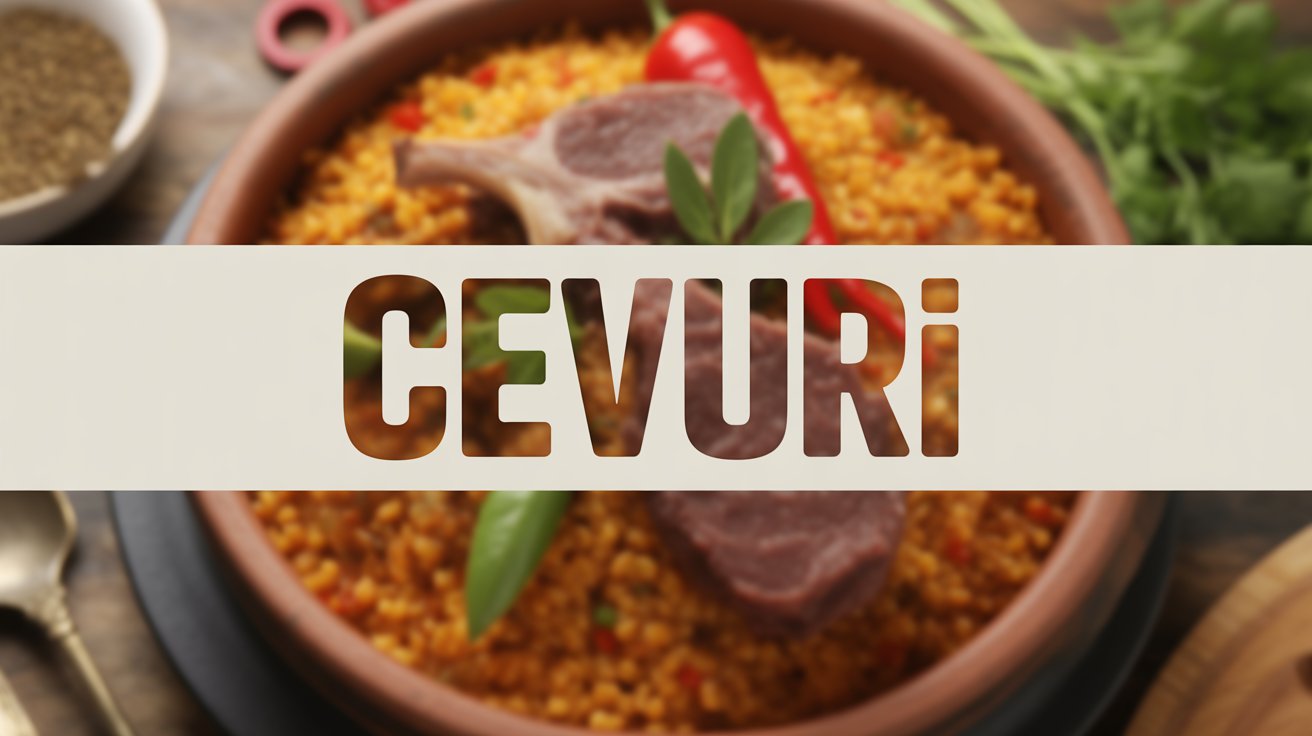
The aroma hits you first in any authentic kitchen, bulgur wheat mingling with aromatic spices, marinated meat slow-cooking in traditional clay pots. This traditional Turkish dish brings together rich ingredients and traditional cooking methods that have stood the test of time. While many may be familiar with popular Turkish delights like kebabs and baklava, Cevurı quietly holds its own place in the culinary tapestry, waiting to be discovered by adventurous food lovers.
Understanding Cevurı means recognizing quality markers before tasting, knowing which regional variations match your preferences, and appreciating why families gather over steaming pots during significant life events, symbolizing prosperity and togetherness. Whether you’re seeking authentic versions in family-run restaurants or exploring how aromatic spices and slow cooking create tender dishes bursting with savory goodness, this guide delves into what makes certain preparations unforgettable while others disappoint.
What Sets Exceptional Cevurı Apart from Ordinary Versions
Most people can’t articulate quality differences until they’ve tasted both side-by-side. The texture reveals everything: grain that’s fluffy and tender without being sticky, meat so succulent it requires minimal chewing, moisture balance that’s neither dry nor swimming in excess liquid.
Aromatic spices should hit your palate in layers. Cumin and paprika create distinct flavor profiles when properly toasted, not just dumped raw into the mix. Fresh herbs like parsley or mint provide brightness that dried versions never achieve, no matter the quantity.
Look for evidence of clay pot cooking, that distinctive earthy aroma, and slightly caramelized edges where ingredients met heat. Traditional preparation methods using olive oil create richness without greasiness, a balance modern shortcuts rarely capture.
Quality markers worth noting:
- Meat falls apart naturally from proper marination, not overcooking
- Bulgur or rice absorbs flavors beautifully while maintaining individual grain integrity
- Chopped onions achieve golden brown caramelization, not translucent mushiness
- Bell peppers and tomatoes retain structure, contributing vibrant colors and nutrients
- Spice complexity develops through cooking stages, not single additions
The difference between authentic and adapted versions often comes down to patience. Rushing any stage of marination, sautéing vegetables, and slow cooking the final assembly produces something technically edible but forgettable.
Understanding the Cultural Context Behind Cevurı
Skip the romantic food writing about timeless traditions. What actually matters? Why do families in various Anatolian villages still make large quantities for weddings, holidays, and large family gatherings when easier options exist everywhere?
This dish creates a connection through shared labor. The preparation involves communal cooking where everyone contributes; someone handles chopping vegetables, another manages marinating meat, and someone else tends the fire or heat. This isn’t nostalgia; it’s practical social engineering that strengthens bonds while producing better results than solo cooking.
The hospitality inherent in Turkish culture transforms serving this into performance art. Offering Cevurı to guests signifies warmth and generosity within communities, creating relationships through food that transcends language barriers.
Religious festivals and celebrations feature this prominently, not from obligation but because feeding crowds efficiently requires dishes that scale well. The cultural significance extends beyond mere sustenance into demonstrating prosperity and togetherness through abundant, flavorful meals.
Modern Turkish families adapt the traditional urban centers like Istanbul see chefs experiment with contemporary touches, but the core ritual remains. Gathering around steaming pots, sharing stories, creating memories. That’s what survives recipe variations.
Regional Cevurı Styles: A Flavor Map of Turkey
Forget organizing by geography alone. Your taste preferences determine which regional style you’ll love.
Identifying Regional Characteristics
For Bold Spice Seekers:
Southeastern regions, Gaziantep, Şanlıurfa deliver generous amounts of red pepper paste, creatinga richer taste that’s both satisfying and intense. Local meats blend harmoniously with spices passed down through generations, often incorporating secret ingredients families guard closely. Heat tolerance required.
For Fresh Herb Enthusiasts:
Coastal areas introduce fresh seafood mixed with grains and vegetables, offering lighter alternatives that highlight the ocean’s bounty. Herbs like dill and parsley frequently dominate, adding freshness that balances any richness. Expect delicate, briny flavor complementing earthy bases.
For Hearty Comfort Lovers:
Central and northern regions favor root vegetables and legumes, creating sustaining versions perfect for cold weather. Bulgur wheat or barley provides long-lasting energy while maintaining comfort food appeal. These versions reflect geography and cultural influences more than culinary trends.
For Modern Fusion Curious:
Urban Istanbul blends innovation and tradition seamlessly. Chefs incorporate feta cheese and olives, giving a contemporary touch while respecting traditional roots. These creative spins keep dishes exciting for both purists and adventurous eaters exploring new dimensions.
| Flavor Profile | Region | Key Characteristic | Best For |
| Bold & Spicy | Southeastern Turkey | Red pepper paste, intense heat | Spice lovers |
| Fresh & Light | Coastal Areas | Seafood, herbs, brightness | Lighter meals |
| Hearty & Filling | Central Anatolia | Root vegetables, grains | Cold weather |
| Modern Fusion | Istanbul | Cheese, olives, innovation | Adventurous eaters |
The Ingredient Intelligence Behind Great Cevurı
Why does bulgur wheat work better than rice in certain versions? The ancient grain absorbs flavors beautifully while providing high fiber content that promotes gut health and keeps you feeling satisfied longer. Rice offers a fluffy, tender texture but requires different liquid ratios and cooking times.
Protein selection changes everything. Lamb brings richness that beef can’t match, while chicken creates lighter versions that showcase vegetables and spices differently. Quality meat makes a noticeable difference. Fresh cuts marinated properly develop depth and tenderness that frozen alternatives struggle to achieve.
The cumin and paprika combination isn’t arbitrary. These aromatic spices provide antioxidant properties beyond flavor, with cumin aiding digestion and paprika contributing vitamin C. But timing matters: toasting spices before adding releases essential oils that raw application never captures.
Fresh vegetables, chopped onions, tomatoes, and bell peppers contribute vibrant colors and nutrients, but their functional role is moisture and texture balance. Olive oil acts as a flavor carrier and provides heart-healthy fats through monounsaturated fatty acids, making this dish both delicious and nutritious without compromise.
Ingredient wisdom most guides miss:
- Marination in yogurt tenderizes meat through enzymatic action, not just flavor infusion
- Sautéing vegetables until properly caramelized develops savory goodness through Maillard reactions
- Salt added at different stages affects texture and moisture retention differently
- Fresh parsley or mint added late preserves aromatic notes that cooking destroys
- Clay pot cooking creates a distinctive earthy aroma through mineral interaction with ingredients
Nutritional Profile and Health Advantages of Cevurı
The wholesome ingredients create nutritional value that modern nutritionists validate. High fiber content from bulgur, wheat, or barley aids digestion specifically by promoting beneficial bacteria growth, not generic “gut health” claims.
Lean protein from meat or plant sources, chickpeas in vegetarian versions, provides essential nutrients like iron and magnesium critical for oxygen transport and metabolic function. You feel satisfied longer because protein slows gastric emptying, pure physiology.
Health benefits backed by ingredient specifics:
- Whole grains: Promote good digestion, provide long-lasting energy, sustaining you throughout the day
- Fresh vegetables: Beta-carotene from carrots supports eye health; vitamin C from bell peppers strengthensthe immune system
- Aromatic herbs: Anti-inflammatory properties from fresh parsley, antioxidants protecting body from oxidative stress
- Olive oil: Supports heart health, considered a staple in the Mediterranean diet for numerous health benefits
- Spice blend: Cumin aids digestion, paprika offers antioxidants, and both enhance taste while contributing to wellness
- Lean preparations: Low in fat compared to many meat-based options, making this a heart-healthy choice
The balance of protein, fiber, vitamins, and minerals makes this both satisfying and nourishing without being precious about nutrition. Traditional preparation methods naturally optimize nutritional retention through moderate heat and minimal processing.
Experiencing Cevurı: From Street Stalls to Fine Dining
In Turkey—Where Authenticity Lives:
Rural Anatolia remains the heartland. Towns like Amasya and Tokat serve authentic versions in local eateries where traditional recipes passed down create dishes where every bite tells a story. Look for bustling neighborhoods, not tourist traps with picture menus.
Street vendors in Bursa and Gaziantep dish out delicious versions locals swear by, often using family recipes prepared fresh right before your eyes. The best indicator? Local families are eating there regularly, not tour groups stopping briefly.
Istanbul offers hidden gems in family-run restaurants where chefs pour passion into each dish. Upscale restaurants experiment with modern flavors while keeping the spirit intact, sometimes successfully, sometimes creating gimmicks. Judge by ingredient quality and preparation evidence, not decor.
International Dining—Quality Markers:
Mediterranean and Middle Eastern restaurants now feature this on menus, often putting their own spin while respecting traditional flavors. What to look for: fresh herbs visible, aromatic spices you can smell, and staff who can explain regional variations.
Red flags: Pre-made appearance, single spice note, ingredients that look days old, and staff unfamiliar with dish origins. Promising signs: Made-to-order preparation, complex aroma, visible fresh vegetables, knowledgeable servers discussing regional styles.
Making Cevurı at Home: Essential Knowledge
Forget step-by-step recipe instructions. Understanding principles creates better results than following rigid steps.
Core Cooking Wisdom:
Marination time matters because proteins need hours absorbing aromatic spices, yogurt, cumin, and paprika, which work chemically on the meat structure. Rushing this stage produces surface flavor only, not the tender dish bursting with savory goodness you’re seeking.
Heat management determines texture outcomes. Medium heat allows vegetables to mingle properly, developing caramelization without burning. Clay pot cooking, if available, distributes heat evenly, creating that distinctive earthy aroma modern pans can’t replicate.
Grain preparation varies: bulgur wheat requires soaking in warm water until it softens, while rice cooks separately until fluffy and tender. The key is avoiding sticky results through proper liquid ratios and timing.
Technique principles worth mastering:
- Sauté diced onions until golden brown, not translucent. Patience is key throughout preparation
- Layer marinated meat over prepared grain for proper flavor melding during the cooking process
- Let everything simmer gently, allowing ingredients to meld beautifully over an extended time
- Taste and adjust seasoning throughout. Balance is key in achieving authentic taste
- Fresh herbs sprinkled on top at serving preserve aromatic notes, as cooking would destroy
Common mistakes killing otherwise decent attempts:
- Rushing the marination (minimum one hour, preferably several hours for best results)
- Overcrowding the pot (restricts proper cooking and flavor development throughout the dish)
- Wrong heat levels (too high burns edges, too low produces mushy texture)
- Not properly caramelizing vegetables before adding other ingredients to the mixture
- Serving immediately without a resting period allows flavors to settle
The preparation method is straightforward and rewarding once you grasp these fundamentals. Experience teaches what recipes can’t, how ingredients respond to your specific equipment, climate, and preferences.
Conclusion
Most guides treat this traditional Anatolian dish like museum documentation, careful descriptions of what once was. The real thing thrives in bustling markets, family-run restaurants, and home kitchens where cooks adapt regional ingredients to what’s locally available while maintaining core identity. Understanding what makes versions exceptional, proper marination enhancing taste, vegetables sautéed until golden, achieving savory depth, slow cooking creating tender results, matters more than memorizing measurements.
Whether you’re exploring rich variations across southeastern regions with their generous amounts of red pepper paste, seeking lighter alternatives in coastal areas highlighting fresh seafood, or crafting authentic versions at home using wholesome ingredients, the cultural significance remains constant. Cevurı offers experience connecting people through shared meals and memories, embodying the hospitality inherent in Turkish culture. The best way forward? Taste different regional styles, find family recipes that resonate, and create your own memories around steaming pots where tradition meets your kitchen.
