
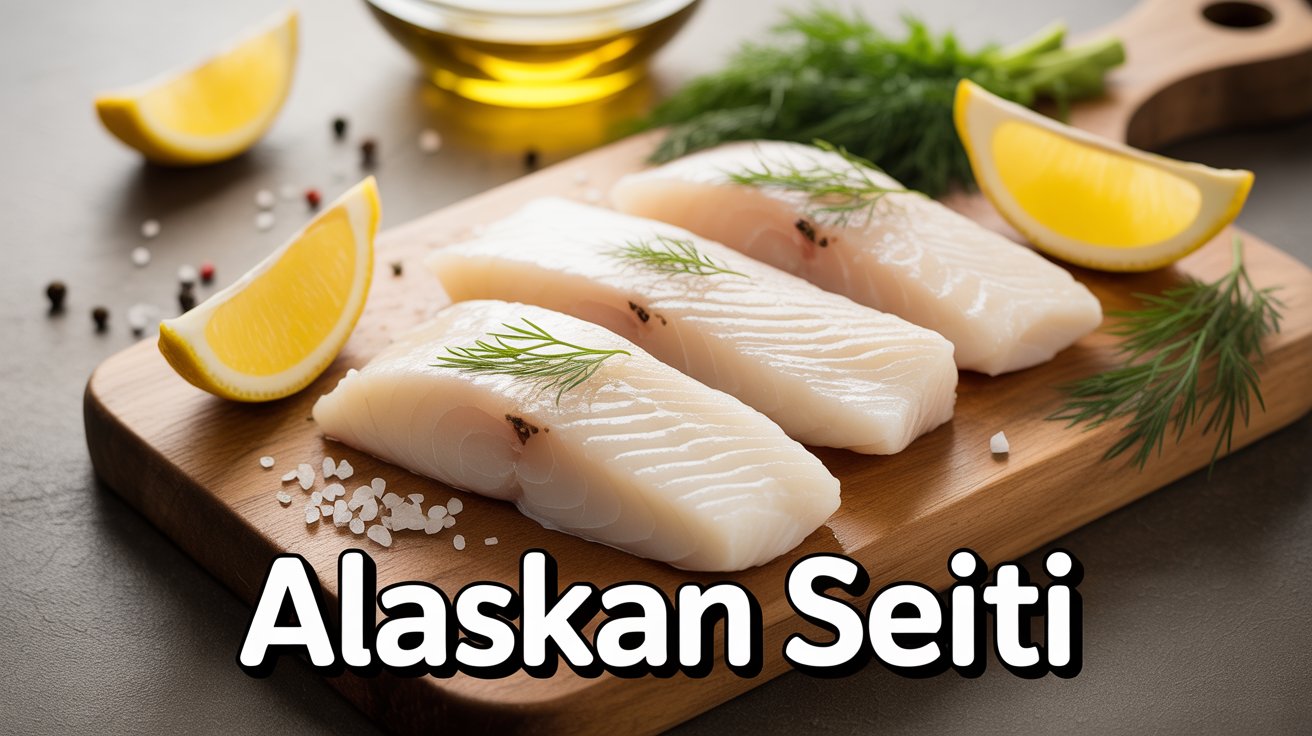
Frozen sections across grocery stores now feature Alaskan seiti prominently, though most recognize it as Alaska pollock—a wild whitefish harvested from cold, nutrient-rich waters of the North Pacific Ocean, particularly the Bering Sea and Gulf of Alaska. This lean fish delivers impressive nutritional value through high-quality protein, omega-3 fatty acids, and essential vitamins without excess fat or calories.
The mild flavor and soft, flaky texture make it versatile across global cuisines, from simple weeknight dinners to elaborate cultural preparations. Understanding how to select quality fillets from responsibly managed fisheries and which cooking methods preserve its delicate texture helps you achieve consistently satisfying results, whether baking, grilling, steaming, or frying this adaptable whitefish.
What Makes Alaskan Seiti Different from Other Whitefish
Alaskan seiti belongs to the cod family, scientifically known as Gadus chalcogrammus, growing naturally in wild conditions where nutrient-rich environments contribute to firm texture, bright white flesh, and clean flavor without strong aroma. Unlike farmed fish with human-fed diets, these wild-caught populations maintain lower contaminants from pollution-free regions.
Compared to Atlantic cod or haddock, this lean, mild-flavored fish offers similar high-quality protein while maintaining a softer, more delicate structure ideal for soups, casseroles, and pan-fried preparations where flaky, light results matter. The adaptable nature works across culinary applications—frying, baking, boiling, steaming—making it suitable for beginners and experienced cooks experimenting with bold dishes using strong spices, herbs, sauces, and seasonings.
Budget-friendly pricing compared to salmon or cod makes this affordable seafood accessible for weekly meal planning. The cost-effective protein delivers comparable omega-3 content, vitamin B12, selenium, and minerals at a lower cost per pound. The mild taste that blends well with seasonings becomes an advantage, appealing to children and adults, and introducing more seafood into regular diets.
Why Alaskan Seiti Is Considered a Sustainable Seafood Choice
Alaska’s fisheries follow strict environmental rules, with scientists monitoring fish populations yearly to establish safe catch quotas, preventing overfishing while ensuring the long-term health of pollock stocks. This scientific approach maintains ecosystem balance while supporting thousands of jobs in catching, processing, and distributing.
Fishing vessels employ bycatch reduction devices during trawling, using advanced equipment, minimizing captures of other marine life to preserve biodiversity. These methods protect species while maintaining best-regulated fisheries through strict monitoring systems and conservation efforts.
Indigenous communities contribute traditional knowledge passed through generations, collaborating on sustainable practices promoting respect for natural resources while ensuring the long-term viability of local economies dependent on fishing. The carbon footprint remains lower than that of land-based proteins like beef or poultry, making it eco-friendly for environmentally conscious consumers. Sustainability certifications on packaging indicate products from best-managed fisheries demonstrating ethical practices.
Nutritional Profile: What You’re Really Getting
A typical serving delivers substantial high-quality protein essential for muscle repair, tissue growth, and overall body function while remaining extremely low in fat and calories, ideal for maintaining a healthy weight through calorie-conscious diets.
Nutritional Breakdown Per 100g Serving:
| Nutrient | Amount | Key Benefits |
| Protein | 19-20g | Muscle growth, tissue repair |
| Omega-3 Fatty Acids | 0.4-0.5g | Heart health, brain function, and cognitive function |
| Vitamin B12 | 3.2mcg | Brain function, production of red blood cells |
| Selenium | 36mcg | Antioxidant protection protects cells from damage |
| Phosphorus | 221mg | Bone health, energy metabolism |
| Potassium | 356mg | Supports immunity, healthy blood pressure |
| Iodine | 116mcg | Thyroid function, regulation of metabolism |
| Calories | 92-95 | Weight management friendly |
Clean waters and wild harvesting from the North Pacific result in low levels of contaminants, making this safe, wholesome option appropriate for regular consumption by pregnant women, young adults, and older individuals.
Health Benefits Worth Knowing About
Omega-3 fatty acids provide beneficial fats crucial for heart health by reducing inflammation while supporting healthy blood pressure and lowering cardiovascular disease risk. These essential fatty acids contribute to brain function and cognitive function across all age groups.
High-quality protein promotes satiety while keeping calorie intake reasonable for balanced meals. Vitamin B12 supports brain function and the production of red blood cells, with one serving covering most daily requirements. Selenium acts as an antioxidant protecting cells from damage, while iodine plays key roles in thyroid function and the regulation of metabolism.
Phosphorus and potassium support bone health and energy metabolism, with vitamin D aiding calcium absorption for a stronger skeletal structure. The nutritional value makes it appropriate for athletes building muscle, seniors maintaining strength, and anyone focused on clean eating habits.
How to Select Quality Alaskan Seiti at the Store
Select fillets appearing bright and clean rather than dull or overly soft. Frozen products should show no excessive ice buildup, indicating temperature fluctuations. Fresh options should carry a clean ocean scent instead of a strong fishy smell signaling age.
Fresh vs. Frozen: What’s Actually Better
Frozen fillets processed through “freezing at sea” methods often maintain better quality because fishing vessels process and freeze fish directly on ships after catching, locking in freshness, nutrients, and firm texture. Fresh fillets require cooking within one or two days, while frozen options provide flexibility when stored at stable freezing temperatures.
Reading Labels and Certifications
Look for wild-caught verification and origin indicators showing fish from the Bering Sea, the Gulf of Alaska, or the North Pacific waters, where carefully monitored fisheries maintain strict quotas. Sustainability certifications demonstrate products from best-regulated operations committed to ethical practices and environmental preservation.
At specialty seafood markets or farmers’ markets, ask knowledgeable vendors about sourcing methods—reputable sources gladly share details about harvesting practices and processing methods.
Cooking Alaskan Seiti: Methods That Work Best
The forgiving, adaptable nature makes this fish suitable for beginners and experienced cooks. Season lightly with salt and pepper for a clean taste or use bold dishes with strong spices, herbs, garlic, lemon, butter, and sauces—the mild flavor blends well with any approach.
Quick Cooking Techniques for Weeknight Meals
Pan-searing delivers results in five to seven minutes, creating a golden, crispy exterior while maintaining a tender, flaky interior. Baking preserves natural flavor at 375-400°F without added fat. Steaming offers the lightest method for calorie-conscious eaters, making a delicate texture ideal for soups or serving over vegetables and potatoes.
Advanced Preparations
Smoking infuses rich flavors while preserving natural tenderness for appetizers or main dishes. Grilling requires marinating fillets in citrus and herbs first, then using high heat to lock in moisture for juicy bites with smoky charred goodness.
Traditional Finnish preparations include keitto, combining chunks with vegetables like potatoes, carrots, and leeks for warm, hearty dishes. Asian noodle soups, Mediterranean grilled plates, and American fish tacos demonstrate versatility where the ability to absorb seasonings lets chefs experiment across cultural recipes.
Common Mistakes When Preparing Alaskan Seiti
Overcooking remains most common because delicate flakes dry out quickly. Remove fish as soon as it turns opaque and flakes easily. Under-seasoning happens when people fear overpowering mild taste, but this fish handles bold flavors and strong spices well.
Wrong thawing methods damage texture. Thaw frozen fillets slowly in the refrigerator overnight rather than using hot water or microwaves, creating uneven results. Pat fillets dry before cooking to achieve a golden, crispy exterior instead of steaming.
Where Alaskan Seiti Fits in Global Cuisines
American households incorporate it into homemade fish tacos, sandwiches, and grilled plates, where mild flavor makes introducing seafood to children easy. Japanese cuisine uses it in sushi rolls, tempura, and fish cakes, while processing creates surimi (imitation crab meat).
European countries, particularly Nordic nations like Finland, Sweden, and Norway, feature it in home-cooked meals and seafood restaurants. Finnish preparation,s including uunissa (baked), pannulla (pan-fried), and keitto (soup) demonstrate cultural cooking methods, making this affordable, sustainable fish beloved across generations.
Cost Comparison: Is Alaskan Seiti Worth It?
Average pricing runs significantly lower than premium options while delivering comparable nutritional value, making this cost-effective protein accessible from home cooks to large-scale food manufacturers.
Price Comparison Per Pound:
| Fish Type | Average Cost | Protein per 100g |
| Alaskan Seiti/Pollock | $4-7 | 19-20g |
| Atlantic Cod | $10-15 | 18-19g |
| Salmon | $12-20 | 20-22g |
| Tilapia | $6-9 | 26g |
You’re getting high-quality protein, vitamin B12, selenium, and essential minerals at nearly half the cost. Frozen products typically cost less while maintaining equal quality through freezing-at-sea methods. Buying in bulk from online Alaskan fisheries or local markets offers additional savings.
Best Ways to Store and Preserve Freshness
Keep frozen fillets at stable freezing temperatures until ready to use. Once thawed, cook within a day or two for optimal taste and safety. Refreezing affects quality unless cooked first. Store cooked fish in airtight containers in the refrigerator, consuming it within a few days to maintain freshness and food safety.
Perfect Pairings: What to Serve with Alaskan Seiti
Vegetable sides work well, such as roasted carrots, steamed leeks, sautéed greens, or potatoes, which create well-rounded meals. Sauce recommendations include lemon butter for simplicity, herb-based preparations with garlic, Asian-inspired options with ginger and citrus, or light cream sauces for richer presentations.
Wine pairings lean toward crisp whites like Sauvignon Blanc, Pinot Grigio, or unoaked Chardonnay, complementing without overwhelming. Complete meal ideas range from simple preparations to elaborate presentations demonstrating adaptability across global cuisines and cultural recipes.
Conclusion
Alaskan seiti represents smart seafood choices for modern households, balancing health priorities, sustainability concerns, affordability needs, and versatility requirements. This wild-caught fish from clean, cold, nutrient-rich waters of the North Pacific delivers genuine nutritional value through high-quality protein, beneficial omega-3 fatty acids, essential vitamins including B12 and selenium, and minerals supporting bone health, energy levels, brain function, and overall body function without excess calories or fat.
Responsible fishing practices from Alaska’s best-managed, carefully monitored fisheries mean supporting environmental conservation, sustainable practices, and ethical approaches while enjoying affordable meals, adapting to different cooking styles, and cultural preparations. Whether pan-frying for crispy texture, baking for healthy weeknight dinners, or incorporating into global cuisine recipes from American fish tacos to Finnish keitto and Asian dishes, this lean, mild-flavored whitefish with soft, flaky texture proves why it’s become a kitchen essential for countless home cooks seeking clean-tasting, versatile protein from responsibly managed sources.
