
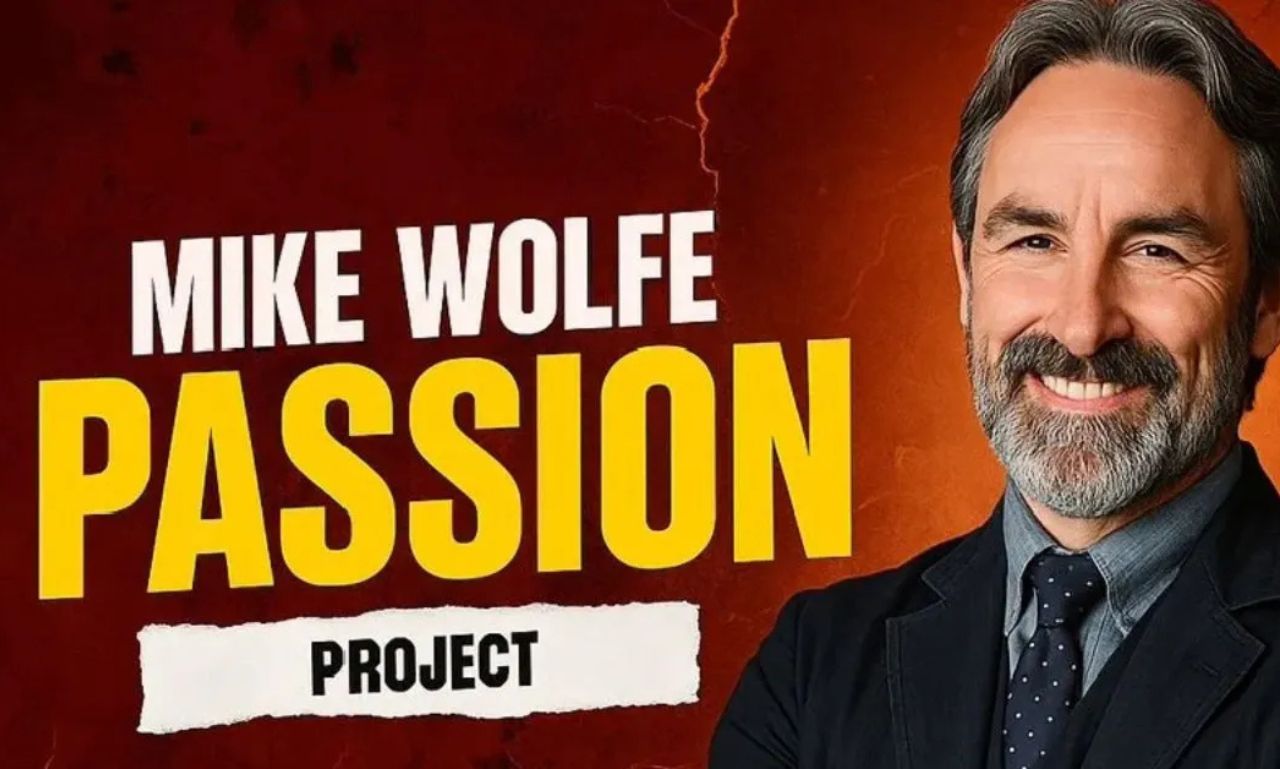
Most people know Mike Wolfe as the charismatic picker, the guy with a keen eye for hidden treasure buried under decades of dust in a cluttered barn. But standing before a dilapidated historic gas station in downtown Columbia, Tennessee, he made a choice that surprised everyone. This wasn’t another vintage motorcycle for his collection. The Mike Wolfe passion project was about to begin, demanding something his television legacy never required: roots.
For someone celebrating discovery through a nomadic life of picking, choosing stillness felt wrong. Yet the co-host, who had built a career uncovering treasures, understood something deeper. This passion project transcended mere collecting; it was about connecting people with heritage, exploring forgotten places filled with history, and recognizing beauty in overlooked details of American culture. The journey would crack open more than abandoned buildings across America’s neglected towns.
The Picker Who Saw More Than Price Tags
At twelve years old in Bettendorf, Iowa, Mike was already rummaging through local farmhouses, pulling antiques from dusty barns that adults dismissed. His childhood wasn’t about collecting vintage finds; it was about listening to narratives embedded in rusted bolts and peeling paint.
Every item carried whispers of the past. A tale waiting to be uncovered in each piece. Where others calculated resale, Mike heard stories reflecting deeper connections to culture and identity. This perspective transforms discarded treasures into cherished artifacts, celebrating American craftsmanship.
American Pickers gave him a national platform. The show worked buy low, sell high, wheel keeps turning. Commerce wrapped in storytelling. But ultimately, transactions felt hollow despite meeting fascinating individuals whose heritage deserved more than quick discoveries in neglected attics.
Something was missing. Decades of helping others appreciate tangible relics from yesteryear, yet nothing stayed. Everything moved through his hands. The restlessness wasn’t about the next big pick anymore. It was about building something permanent that couldn’t fit in a truck, a landmark to be saved, not an item to be sold.
When a Gas Station Became a Calling
Columbia surprised him. Not the town itself, rich with Antebellum architecture, known as Tennessee’s Antique Capitol, but what he felt before that early 20th-century structure. Good bones, tired soul. Weathered brick, cracked concrete, palpable silence, only abandoned places have.
Most people driving past saw a teardown candidate ready for the wrecking ball of progress. Mike Wolfe saw a story.
To a picker’s eye, every layer carried a narrative. This gas station wasn’t just a building; it was a relic of Americana, a time capsule from an era of cross-country road trips, full-service attendants, soda pop in glass bottles. His genius was seeing potential value where others saw only decay. The Mike Wolfe passion project applied that same principle on a monumental scale.
He didn’t see crumbling ruin. He saw a future gathering place, outdoor seating where people could laugh, a fire pit for sharing stories, warm glow of lights bringing a neglected corner back to life. The find wasn’t the building itself. It was potential locked within walls.
But here’s what nobody discusses: the decision terrified him. Fixed points require different commitments than endless travel. Real estate doesn’t fold into vans. Historic renovation demands patience, which was never taught. He partnered with a specialized design and construction company, understanding that true restoration needs more than hammers and dreams. It was a crucial move, honoring the building’s original character while injecting modern life and purpose.
The Weight of History and Broken Concrete
Reality hit during the first assessment. The shell demanded careful attention. Historic facade and architectural integrity weren’t negotiable; you keep the soul or fail. But balancing modern needs with the charm of history required careful planning and expertise, ensuring renovations respected original architecture while meeting today’s standards.
Funding became an immediate hurdle. Securing financial resources for restoration projects meant navigating a maze of grants, donations, and local investments, a lengthy, uncertain process. Community resistance also posed obstacles. Some locals felt hesitant about change, fearing their town’s unique character would vanish.
Logistical issues emerged: outdated infrastructure, environmental concerns needing addressing before ambitious plans could take shape. These complexities required strategic solutions tailored to Columbia’s specific situation. Permits, preservation debates, and television never prepared him for this.
Key challenges included:
- Navigating bureaucratic red tape for historical approvals
- Trust and collaboration with skeptical residents
- Preserving authenticity while adding functionality
- Managing mounting costs with fluid timelines
Moments were standing in that weathered structure with mounting costs and skeptical neighbors when doubt whispered loudly. What have I done? The passion project felt less like discovery and more like drowning in challenges that test commitment.
The loneliness of vision when others don’t see it, that part wasn’t on American Pickers. He’d spent his career celebrating culture through objects. Now he was asking an entire community to trust his belief that history has value not just monetary, but cultural, communal. The burning need for stewardship, ensuring artistry and stories from a bygone era weren’t lost, became his physical manifestation.
Building More Than Walls
The turning point came from unexpected collaboration with local artisans and historians who understood Columbia’s past better than any outsider could. These conversations unveiled fresh perspectives and hidden narratives. The gas station wasn’t just his vision anymore; it belonged to people whose grandparents remembered when it actually pumped fuel.
Workshops, public meetings, and volunteer days helped bridge gaps between generations. Young people learned from elders who lived through history, deepening their appreciation for local heritage often overlooked in our fast-paced world. Residents were encouraged to share their own stories and ideas, creating a sense of ownership in the revitalization process.
This collaboration fostered pride and connection among community members. Not Mike’s pride, collective pride. People who’d driven past that abandoned building for years now saw possibility. The project was becoming “ours,” not “his.”
Local craftspeople brought specialized skills. The adaptive reuse strategy, preserving the soul of the structure while completely reimagining function, became a collective effort. Instead of pumping gas, Revival would serve food and craft cocktails. Trading one form of fuel for another is quite a clever metaphor.
The addition of outdoor seating and a central fire pit was a masterstroke, transforming a transactional space into an experiential one. No longer just a place to stop; it’s a place to stay, a place to connect. This wasn’t just a renovation, it was a translation, taking the language of the past and rewriting it for modern audiences while keeping the original accent intact.
Mike Wolfe Passion Project: From Revival to Revolution
They christened it Revival, a perfect fit representing both the building’s revival and the community spirit it aimed to foster. As transformation became visible, something remarkable happened across downtown Columbia. Other property owners started noticing their own forgotten shops and weathered structures with new eyes.
When a high-profile individual invests carefully in historic preservation, it gives other investors and business owners confidence. It signals the town is worth investing in, creating a heartbeat where communities need cores third places that aren’t home or work, but spaces for community connection.
The ripple effect wasn’t a theory; it’s a documented phenomenon. One beautifully restored building has a funny way of lifting everything around it. A single anchor project increased foot traffic, benefiting neighboring shops. It inspired others to clean up facades and invest in their own properties, creating a positive feedback loop of investment and pride, cultivating economic growth.
Media outlets, television programs, magazines, and online platforms spotlighted his efforts to revive forgotten towns across America. This coverage showcased the beauty of neglected communities while highlighting rich histories. Stories of resilience resonate with audiences who appreciate a blend of nostalgia and hope for future generations.
Public recognition surged as residents shared experiences on social media. Local businesses saw increased foot traffic thanks to heightened interest generated by features in popular publications. Through interviews and documentaries, Mike’s mission inspired others to see potential where it seemed lost. The narrative around community revitalization was shifting positively, igniting conversations about preservation and heritage nationwide.
Before you know it, a single spark from a restored gas station helped ignite renewed energy for entire downtown districts. That’s the real legacy: not just saving one building, but using that building as a torch to light the way for entire communities seeking to reconnect with roots.
The Stories Hidden in Rust and Paint
Here’s what Mike learned that American Pickers never taught: patience is a different discovery. Pick rewards, quick assessment, evaluate, negotiate, and move on. Building demands you stay through uncertainty, embracing challenges along the way.
Every setback, funding issues, community resistance, logistical nightmares fostered resilience and adaptability he didn’t know he needed. Navigating obstacles became a powerful lesson in creativity. Each discovery brought new insights into history, culture, and community that transactions never revealed.
Working alongside local artisans and historians enriched his understanding of craftsmanship and heritage in ways commerce couldn’t. These connections weren’t about buying someone’s treasure; they were about collective passion for preserving identity through tangible relics and celebrating the essence of each town.
Mike found that personal growth thrives on shared experiences, not individual effort. The lessons extended beyond himself, inspiring others to explore their own paths and embark on unique journeys of creativity and exploration. People across the country started asking: What forgotten place in my town could use a little revival?
Sustainable practices became crucial:
- Renewable energy sources integrated into renovation plans
- Solar panels and wind turbines are reducing the carbon footprint
- Repurposed and refurbished original features
- Minimizing waste while honoring history
Marrying tradition with innovation, sustainable practices ensure revitalization efforts benefit both current inhabitants and future generations alike. The real find? Preservation isn’t living in the past. It’s using the past to build a more interesting, connected, vibrant future.
The Fire Pit Where Dreams Gather
Revival is open now. Walk through Columbia’s downtown on any evening, and you’ll see what Mike built: outdoor seating filled with people laughing, art exhibits lining bustling streets, small businesses thriving, open-air markets drawing visitors back to these forgotten places.
The fire pit serves as Revival’s heartbeat, a third place where communities unite around shared goals, cultivating resilience against future challenges. Former residents who’d left are returning home. Young people who might’ve moved away are staying, drawn by a renewed spirit that wasn’t there before.
The impact goes beyond aesthetics; it cultivates economic growth while attracting visitors eager to explore revived communities. The unique fingerprint of historic architecture gives Columbia something you literally cannot buy: an authentic sense of place in a world where every strip mall looks the same.
Success stories multiplied nationwide. A small community in Kentucky transformed abandoned storefronts into vibrant art galleries and cafes. An abandoned theater in Pennsylvania found new purpose as a cultural hub with restored seating and updated acoustics, hosting live performances and attracting crowds from neighboring regions.
These transformations highlight more than physical renovations; they spark community pride and engagement. Residents come together, celebrating their town’s history while embracing innovation. The ripple effects can be felt far beyond local borders, serving as inspiring models for urban revitalization efforts across America.
Mike’s vision proved that with dedication, even the most neglected spaces can flourish once again.
Conclusion
Mike Wolfe’s journey from restless picker to town builder proves the most valuable finds aren’t always things that fit in your truck. Sometimes, they’re communities you build around forgotten landmarks deserving recognition. His passion project demonstrates that dedication to preservation can lead to incredible discoveries beyond commerce and material gains.
The gas station in Columbia became more than Revival; it became a mission statement, a testament to the idea that stewarding the past creates richer life experiences. Through his work, he shows that every object holds history and meaning worth celebrating. By focusing on hidden gems and breathing new life into forgotten treasures, he encourages others to appreciate what lies beneath the surface.
His personal growth throughout this process serves as an example for anyone looking to pursue their passions and dare to explore interests authentically. Embracing what we love brings richness to our lives, a reminder that sometimes, chasing dreams helps us find ourselves along the way. So go ahead: share your story with the world. What forgotten place could use revival?
Frequently Asked Questions
Where is Mike Wolfe’s gas station located?
Downtown Columbia, Tennessee, is a historic city in Maury County.
What is Revival?
Dining and drinking establishment with outdoor seating and a fire pit.
Why did Mike do this project?
Commitment to historic preservation and community revitalization.
Has Mike done similar projects?
Yes, several preservation projects in Nashville, Tennessee.
When does Revival open?
Timelines vary; follow local news sources for updates.
