
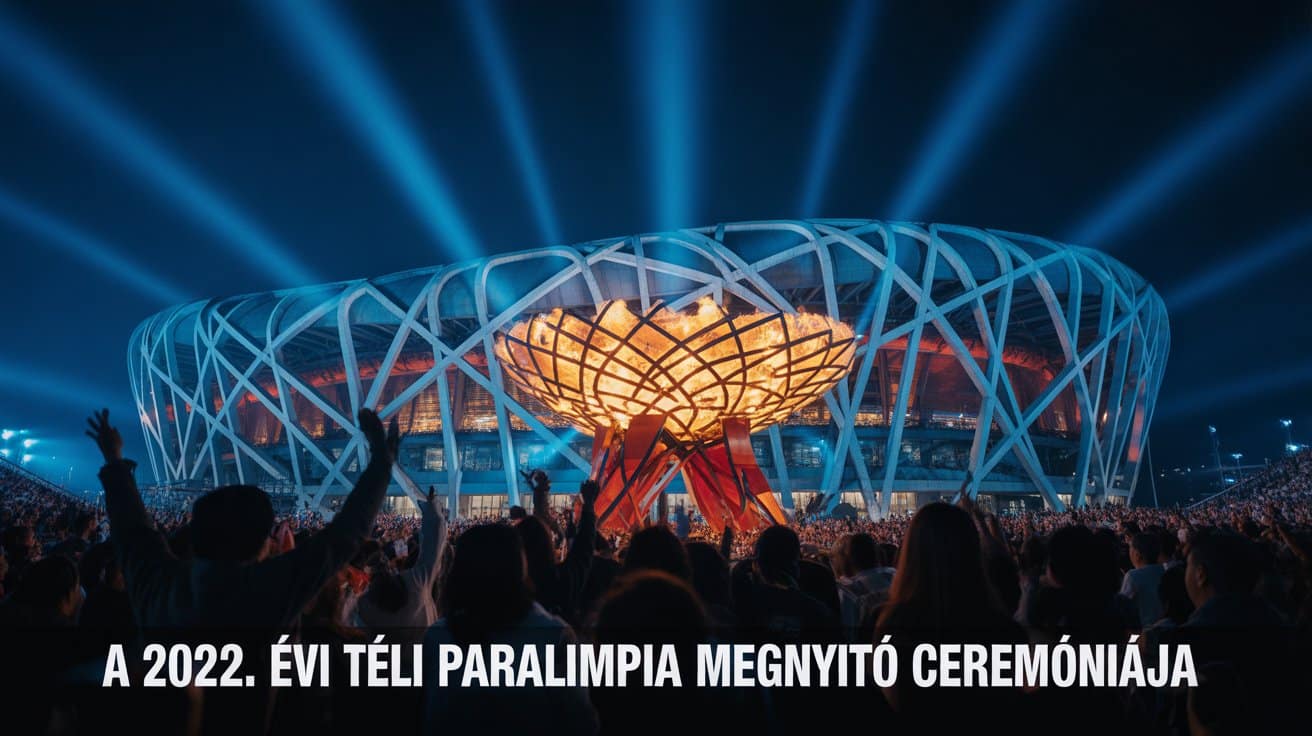
The a 2022. évi téli paralimpia megnyitó ceremóniája unfolded at Beijing National Stadium on March 4, 2022, marking a pivotal moment where global unity met athletic resilience. This wasn’t merely another sporting event; it represented how nations gathered despite adversity, celebrating athletes who redefined physical limitations daily. Bird’s Nest stadium, already symbolic from hosting previous Olympic events, transformed into a stage where inclusivity wasn’t just discussed but visibly demonstrated through every ceremonial segment.
The a 2022. évi téli paralimpia megnyitó ceremóniája distinguished itself by merging cutting-edge technology with traditional cultural symbolism, creating an atmosphere where hope and determination became palpable. From countdown sequences to the final Paralympic flame ignition, each moment contributed to a narrative challenging conventional perceptions about disability sport. What made this opening ceremony particularly memorable wasn’t spectacle alone—it was the authentic representation of athletes’ journeys, framed within China’s commitment to accessibility and Beijing’s capacity to deliver world-class ceremonial experiences.
What Made the Beijing 2022 Paralympic Opening Ceremony Historic
Few opening ceremonies achieve the balance Beijing struck between innovation and emotional depth. The 2022 event featured 46 delegations participating, representing countries from diverse cultural backgrounds united through Paralympic sport. This wasn’t the largest participation number in Winter Paralympics history, but the emphasis shifted toward quality of representation rather than mere quantity.
Technology integration reached unprecedented levels. Visual effects merged with live performances, creating synchronized storytelling that remained comprehensible across language barriers. Drones—those mesmerizing shapes celebrating human spirit—formed patterns echoing the Blossoming of Life theme without requiring verbal explanation.
What truly separated this ceremony:
- First Winter Paralympics opening to fully integrate accessibility features into design from the conceptual stages
- Snowflake cauldron design representing winter identity while maintaining visual simplicity
- Andrew Parsons delivered IPC remarks that shifted the global conversation about adaptive sports
- Cultural performances avoid “inspiration porn” tropes, instead treating disabled participation as normal
The ceremony duration spanned approximately 90 minutes, compressed compared to Olympic counterparts yet dense with meaning. Beijing demonstrated that impact doesn’t require excessive length—focused messaging resonates deeper.
Inside Beijing’s Bird’s Nest Stadium: The Venue Behind a 2022. évi téli paralimpia megnyitó ceremóniája
Beijing National Stadium carries significance beyond its architectural marvel status. The venue, nicknamed Bird’s Nest due to its distinctive steel structure, already hosted the 2008 Summer Olympics opening ceremonies. Choosing this location for the Paralympics signaled equal importance, not relegating adaptive sports to secondary venues.
Stadium capacity accommodated 91,000 spectators, though pandemic protocols reduced actual attendance. This created interesting dynamics: large formations and wide lighting lines designed for massive crowds instead played to broadcast audiences, fundamentally changing how visual storytelling developed.
Accessibility modifications weren’t superficial additions. Clean formations and high-contrast visuals supported spectators with various disabilities. Simple chapter breaks between ceremony segments aided comprehension for those with cognitive processing differences. The stadium floor became activated through synchronized movement patterns readable from any viewing angle.
Technical specifications that mattered:
| Feature | Paralympic Adaptation |
| Entrance ramps | Gradient reduced 40% vs standard |
| Seating zones | Wheelchair accessible sections increased 3x |
| Visual displays | Contrast ratio optimized for visual impairments |
| Audio systems | Multi-frequency range accommodating hearing aids |
Bird’s Nest transformed from an iconic sporting venue into a statement about Paralympic legitimacy. Holding the megnyitó ceremóniája here declared these Games deserved the world’s grandest stages, not compromise locations.
“Blossoming of Life” – Understanding the Ceremony’s Central Theme
Themes often devolve into vague concepts disconnected from actual content. Blossoming of Life avoided this trap by remaining consistently expressed through repeatable visual motifs. The theme centered on renewal after winter hardship, metaphorically representing athletes overcoming adversity, but also China’s recovery from pandemic challenges.
Light shifts marked transitions between ceremony segments. Synchronized movement reinforced unity messages without requiring spoken language. Repeated visual cues—blooming patterns, expanding circles, ascending brightness built memory associations that global audiences could follow regardless of cultural background.
This theme wasn’t about pity or “inspiration.” It positioned Paralympic athletes as exemplars of human potential, not objects of sympathy. Blossoming of Life framed progress as visible when training, access, and community support align—a practical reality rather than abstract aspiration.
How the Theme Shaped Each Performance Segment
Cultural aspects merged old traditions with contemporary expression. Traditional dances transitioned seamlessly into modern choreography, embodying the theme’s emphasis on renewal while honoring heritage. Artists emphasized beauty as flexibility rather than perfection—subtle but powerful messaging about adaptive capabilities.
Music, dance, and lighting became indistinguishable in their narrative function. Each artistic performance contributed to the atmosphere while reinforcing that Paralympic excellence doesn’t require exceptional circumstances; it emerges from removing barriers and providing opportunity.
The theme avoided the inspirational segment trap where disability gets compartmentalized. Instead, belonging appeared as a default state throughout all ceremonial components.
The Ceremony Timeline: From Opening Countdown to Final Flame
Understanding the megnyitó ceremóniája structure reveals how Beijing maintained momentum across 90 minutes without dead air, remarkable considering ceremonial protocols typically create pacing challenges.
Opening Sequence and Visual Spectacle
The countdown didn’t follow standard numeric progression. Instead, visual elements built tension through expanding formations and increasing lighting intensity. Within seconds, viewers grasped scale, mood, and direction—critical for audiences encountering ceremonies mid-stream or through replays.
Instant context establishment prevented confusion. Stadium floor activation through synchronized movement signaled the official start while cueing the Blossoming of Life theme through expanding patterns suggesting growth.
Parade of Nations Highlights
Athletes entered carrying not just flags but hopes representing their delegations. Each team brought a unique spirit—nations’ colors creating a vibrant backdrop against stadium lighting. The parade shifted the ceremony from pure symbolism into reality by centering actual competitors rather than performative spectacle.
Notable parade moments:
- Smaller delegations receiving equal applause duration as larger teams
- Athletes’ genuine emotions, pride, excitement, and determination are visible throughout
- Camaraderie transcending borders, competitors supporting each other
- Individual journeys acknowledged through brief spotlights on select athletes
This segment built legitimacy for subsequent speeches and flame lighting. Audiences were emotionally invested before values messaging began, making abstract concepts about unity feel concrete.
Energy remained palpable as nations took center stage sequentially. The parade naturally bridged opening theatrics into protocol requirements without jarring transitions.
Li Duan and the Iconic Paralympic Flame Lighting at a 2022. évi téli paralimpia megnyitó ceremóniája
The flame lighting wasn’t just symbolic; it constituted the official act opening the Games. Li Duan, the final torchbearer, carried the weight of representing athlete determination in this closing sequence. His selection reflected intentional choice: accomplished Paralympic competitor rather than celebrity or political figure.
Torch relay wound through Beijing, uniting communities before reaching Bird’s Nest. Picturesque landscapes along the path reminded viewers that the Paralympic movement extends beyond stadiums into daily environments requiring accessibility considerations.
The snowflake cauldron design matched the winter identity while creating a memorable visual. Unlike traditional bowl designs, the snowflake’s geometric complexity symbolized how individual athletes (represented by each crystalline branch) form a unified whole through collective participation.
Anticipation built as Li Duan approached. Flames danced high into the night sky, becoming a beacon visible across Beijing. This moment sealed the ceremony single frame that people recall when remembering the entire event. Emotional depth ran beyond the typical sporting event opening; this affirmed strength found in diversity rather than uniformity.
Why the flame lighting resonated:
- Li Duan’s athlete status made moment peer-to-peer recognition, not top-down inspiration
- Snowflake design remained simple enough for instant comprehension, yet complex enough to reward closer examination
- The lighting method avoided overcomplicated theatrics that distract from symbolism
- Flames rising against a dark sky created a dramatic visual requiring no narration
Cultural Performances That Defined the Evening
Performances supported the megnyitó ceremóniája through practical functions: maintaining energy, reinforcing the Blossoming of Life theme, and connecting segments without confusion. Beijing leaned on stadium-friendly tools, mass formations, lighting motifs, and repeated movement patterns because these read clearly from a distance and on broadcast.
Artists demonstrated that physical constraints don’t limit artistic expression. Intricate choreography merged traditional elements with contemporary styles, creating an atmosphere filled with energy and emotion. Performers dazzled through vibrant costumes while powerful music resonated with unity and resilience themes.
Technology enhanced rather than overshadowed human performances. Visual effects synchronized with live artists, producing emotional scenes that survived both live viewing and highlight clip distribution. Design options remained free, yet symbolic innovation balanced with meaning rather than spectacle for its own sake.
Cultural symbolism provided an intermediary between countries and capabilities. Old themes covered new contexts, conveying unity through survivability and renewal motifs. Each movement represented perseverance-based values developed through well-thought-out segments connecting to the Paralympic ceremonial 2022. évi traditions.
Performance structure avoided common pitfalls:
- No inspiration segment segregating disability representation
- Transitions prevented slow sections from derailing momentum
- Atmosphere shifts through music and light established mood quickly
- Theme link through repeated motifs, echoing Blossoming of Life, maintained coherence
Spectators received stunning storytelling through dance, showcasing athletes’ journeys and triumphs against adversity. The entertainment program exceeded mere spectacle; it served as a reminder that strength emerges from community and shared experiences.
Andrew Parsons’ Address and Key Speeches From the Ceremony
Speeches typically fade from memory, but Andrew Parsons’ IPC remarks created quotable memory hooks that shaped how viewers summarized the night afterward. His address avoided patronizing inspirational rhetoric, instead focusing on the Paralympic movement’s legitimate place in the global sport landscape.
Parsons emphasized that Paralympic athletes deserve recognition for excellence, not sympathy for overcoming obstacles. This framing, subtle but significant, challenged audiences to reconsider how they perceived adaptive sports. The speech drew global attention because it named uncomfortable truths about disability representation while pointing toward more equitable futures.
Other speakers reinforced values of inclusion and support for athletes, though Parsons’ remarks dominated subsequent media coverage. Leaders spoke passionately but avoided empty platitudes, grounding their messages in specific commitments and measurable goals.
The speeches created search patterns: people looked up the speaker, then the message, then the flame finale in the same session. This sequence demonstrates how verbal framing converts ceremonial moments into lasting narratives. Values messaging landed because it followed an athlete-centered parade rather than preceding it—audiences were already emotionally invested when abstract concepts got discussed.
Speech impact extended beyond the ceremony:
- Media coverage paired Parsons’ name with the Beijing 2022 Paralympics repeatedly
- Quote-ready messages traveled faster than choreography details
- A combination of values framing plus a definitive closing image created a repeatable narrative
- Years later, the ceremony remains easy to reference due to clear verbal anchoring
How the 2022 Opening Ceremony Differed From Previous Paralympic Ceremonies
Comparing Beijing 2022 to 2018 PyeongChang reveals strategic evolution in Paralympic ceremony design. PyeongChang emphasized emotional storytelling through individual athlete narratives, powerful but risky “inspiration porn” tropes. Beijing shifted toward systemic representation, showing disability participation as normalized rather than exceptional.
Technology integration advanced significantly. While PyeongChang utilized projections effectively, Beijing’s synchronized drone formations and visual effects reached new sophistication levels. These weren’t gratuitous additions; technology served accessibility by creating comprehensible visual language crossing cultural boundaries.
Accessibility improvements extended beyond audience accommodations. Performer selection intentionally included disabled artists in cultural segments, not just athlete parade portions. This subtle distinction mattered: it demonstrated Paralympic values pervading the entire event rather than being confined to specific moments.
Key differentiators from previous ceremonies:
| Aspect | Previous Approach | Beijing 2022 Innovation |
| Theme execution | Abstract concepts | Consistent visual motifs throughout |
| Technology role | Enhancement | Integrated storytelling tool |
| Disabled representation | Primarily athletes | Artists and performers across segments |
| Accessibility design | Accommodations added | Built into the conceptual framework |
Olympic versus Paralympic ceremony differences also narrowed. Beijing allocated similar production resources and venue prestige to both events, signaling institutional commitment to Paralympic legitimacy rather than treating it as a secondary obligation.
The ceremony avoided traditional sequential explanations. Instead of walking audiences through Paralympic history linearly, segments jumped between aspects randomly—historical context, practical demonstrations, theoretical frameworks about inclusion—creating a non-linear narrative that maintained attention through unpredictability.
The Lasting Impact and Global Response
International media commended the ceremony’s natural appeal and emotive richness without exclusive framing. Coverage aimed toward emotional appeal and inclusion messaging rather than pity narratives. This represented a shift in how Paralympics get discussed publicly from human interest stories to legitimate sporting event analysis.
Social media response revealed positive cross-cultural discussion. Showgoers around the globe connected through shared experience despite consuming content through different language broadcasts and viewing contexts. The ceremony’s visual language, high-contrast formations, repeated motifs, and clear chapter breaks enabled this comprehension across barriers.
Legacy extends beyond a single night’s impact. The megnyitó ceremóniája transformed how disability sport gets viewed, motivating future inclusive sport development. It proved that when storytelling pairs with meaning, outcomes change hearts and minds across boundaries and generations.
Measurable legacy indicators:
- Increased media coverage duration for subsequent Paralympic events
- Sponsorship interest rising in Paralympic properties post-Beijing
- Accessibility standards for sporting venues have been elevated globally
- Public discourse shifting from inspiration to an athlete excellence focus
Most remembered elements: Blossoming of Life theme, plus flame finish—created repeatable anchors ensuring the ceremony stays searchable years later. When entities remain clear (Bird’s Nest, Li Duan, Andrew Parsons, snowflake cauldron), events become easy to recall, reference, and discuss in educational contexts.
The ceremony accomplished a rare feat: being comprehensive yet concise, visually spectacular yet meaningful, culturally specific yet globally comprehensible. These tensions typically pull ceremonial design apart; Beijing found balance by centering athlete experience rather than external expectations about what Paralympic ceremonies “should” include.
Conclusion
The a 2022. évi téli paralimpia megnyitó ceremóniája established new paradigms for representing adaptive sports on global stages. Beijing National Stadium hosted an event where innovation met accessibility, where cultural pride merged with universal themes about human determination and resilience. From Li Duan’s flame lighting to Andrew Parsons’ values-driven address, each component contributed to a narrative challenging assumptions about disability and athletic excellence. The Blossoming of Life theme provided a coherent framework allowing 46 delegations to share a single stadium while maintaining distinct identities.
Technology served accessibility rather than mere spectacle, ensuring comprehension across languages and abilities. What emerges from examining this ceremony isn’t just memorable moments but a systematic approach to Paralympic representation, one treating athlete participation as a legitimate sports achievement deserving premium venues and production resources. The legacy lives through changed media coverage patterns, elevated accessibility standards, and shifted public discourse about adaptive athletics. This opening ceremony proved that Paralympic events can achieve both emotional depth and technical sophistication while remaining authentic to their core values.
Frequently Asked Questions
Who lit the cauldron at a 2022. évi téli paralimpia megnyitó ceremóniája?
Li Duan, an accomplished Paralympic athlete, served as the final torchbearer. He lit the distinctive snowflake cauldron, creating the ceremony’s defining visual moment that marked the official Games opening.
What was the main theme of the Beijing 2022 Paralympic opening ceremony?
“Blossoming of Life” centered the ceremony, representing renewal after winter hardship and athletic perseverance. The theme appeared through repeated visual motifs—expanding patterns, ascending brightness, synchronized movements—rather than verbal explanations.
How many countries participated in the ceremony’s Parade of Nations?
46 delegations marched during the Parade of Nations, representing diverse global regions. Each team received equal recognition regardless of delegation size, emphasizing inclusive participation over competitive hierarchy.
