
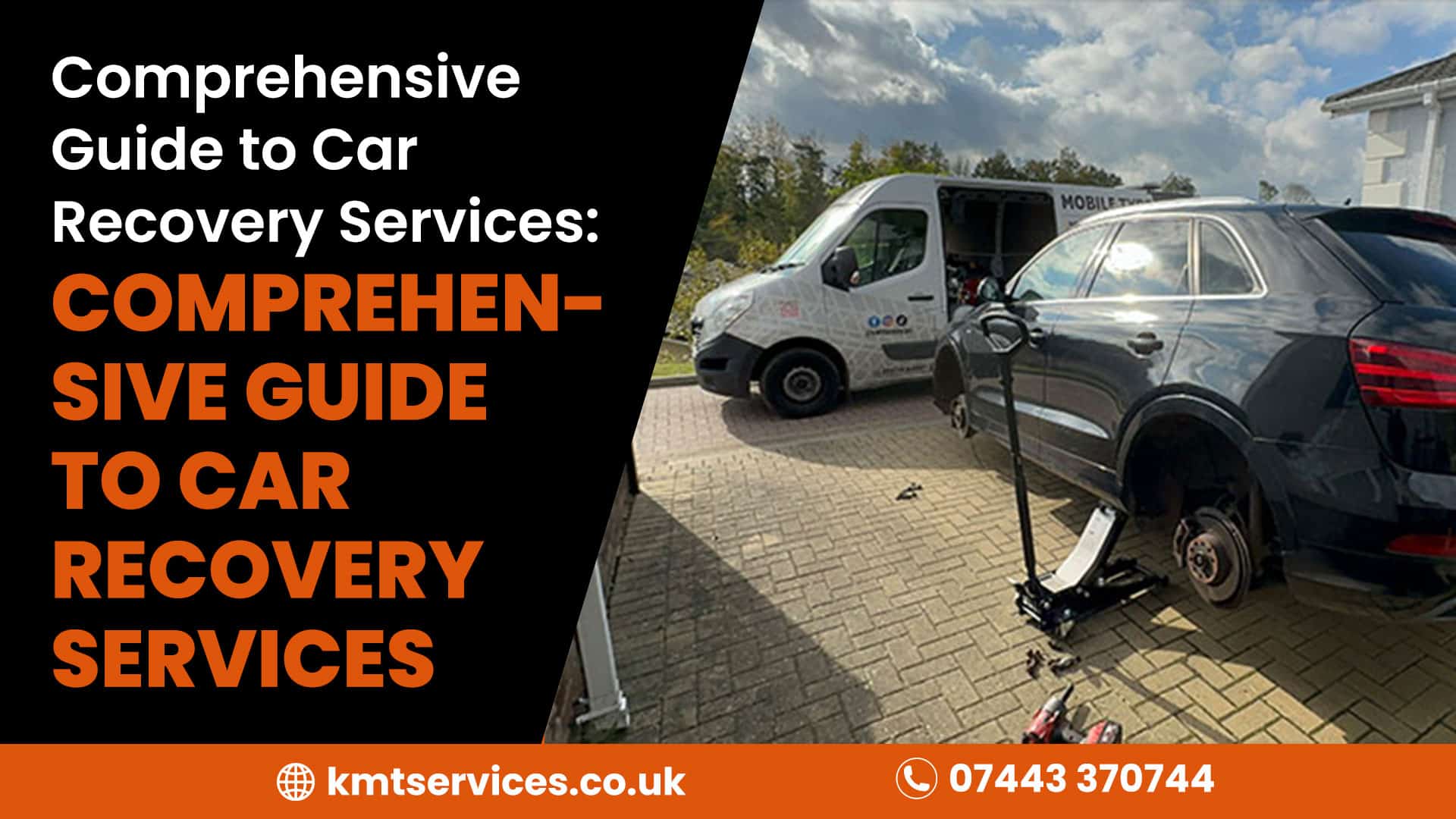
Vehicle breakdowns happen to everyone eventually, regardless of how well-maintained your car might be. Mechanical failures, accidents, electrical problems, or simply running out of fuel can leave you stranded and in need of professional assistance. Understanding how recovery services work and what to expect can transform a potentially stressful situation into a smoothly managed experience.
Recognising When You Need Professional Recovery
Not every roadside problem requires your vehicle to be transported. However, certain situations make driving impossible or dangerous. Engine seizures, complete transmission failures, severe overheating, major electrical system failures, or structural damage from collisions all necessitate professional transportation. Similarly, if warning lights indicate critical problems like oil pressure loss or brake system failure, continuing to drive risks catastrophic damage.
Weather-related incidents also frequently require recovery. Vehicles stuck in deep flooding, snowdrifts, or muddy terrain often need specialist extraction equipment before transportation. Attempting to drive in these conditions can worsen damage and create additional safety hazards.
Types of Recovery Vehicles and Methods
Recovery operators use different equipment depending on your vehicle and situation. Flatbed trucks offer the safest option, particularly for vehicles with all-wheel drive, low ground clearance, or significant damage. Your car sits completely on the truck bed, with all wheels off the ground, eliminating stress on the drivetrain during transportation.
Wheel-lift tow trucks lift either the front or rear wheels whilst the opposite end rolls freely. This method works well for standard two-wheel-drive vehicles without transmission damage. However, it’s unsuitable for all-wheel-drive systems or cars with locked wheels.
Specialist equipment handles unusual situations. Heavy-duty recovery vehicles manage commercial vehicles, motorhomes, and heavily loaded vans. Winches and recovery straps extract vehicles from ditches, embankments, or difficult terrain before loading for transportation.
The Recovery Process Explained
When you contact a car recovery near me service, they’ll ask specific questions to dispatch appropriate equipment. Expect queries about your vehicle make and model, the nature of the problem, your exact location, and any special circumstances like trailers attached or modifications affecting towing.
Upon arrival, professional operators assess the situation, explain their planned approach, and ensure you’re comfortable with the process. They’ll position their recovery vehicle safely, secure your car using proper lifting points and restraints, and verify everything is stable before moving. Throughout transportation, your vehicle remains protected from additional damage through proper securing techniques.
Destination Options and Flexibility
Recovery services offer flexibility regarding where they transport your vehicle. Common destinations include your home address, allowing you to arrange repairs at your convenience, or your preferred garage if you have an established relationship with mechanics you trust. Many people choose dealerships, particularly for vehicles under warranty, whilst others opt for specialist repair centres for specific problems.
Some providers impose distance limitations on standard recovery packages, charging additional fees for longer journeys. Clarify these details when booking to avoid unexpected costs. If you’re far from home, discuss options for transportation to nearby facilities versus extended recovery to your local area.
Cost Structures and Pricing Models
Pricing for car recovery near me services varies considerably based on multiple factors. Distance travelled forms the primary cost component, with most providers charging base fees covering initial mileage plus per-mile rates beyond certain thresholds. Typical local recoveries within 10 miles cost £80-£150, whilst longer distances can reach £200-£400 or more.
Time of day significantly impacts pricing. Standard daytime rates apply during business hours, whilst evening, overnight, weekend, and bank holiday callouts often carry premium charges of 50-100% above base rates. Specialist equipment for heavy vehicles or difficult extractions also increases costs.
Membership Schemes vs Pay-Per-Use
Deciding between annual breakdown cover and paying per incident depends on your circumstances. If you drive an older vehicle with reliability concerns, clock high annual mileage, or frequently travel to remote areas, membership schemes typically prove more economical. Annual subscriptions range from £40-£200 depending on coverage levels, protecting you from potentially expensive individual callouts.
Conversely, drivers of newer, reliable vehicles making predominantly local journeys might find pay-per-use more cost-effective. However, remember that a single recovery incident can exceed annual membership costs, making breakdown cover valuable peace of mind.
Choosing Reputable Operators
Quality varies significantly across recovery providers. Established operators maintain proper insurance, employ trained technicians, use well-maintained equipment, and follow industry safety standards. Check for membership in professional associations, read recent customer reviews, and verify transparent pricing policies.
Local independent operators often provide excellent personal service and competitive rates for regional coverage. National chains offer consistency, extensive networks, and guaranteed response times across broader geographical areas. Both have merits depending on your typical driving patterns.
When vehicle trouble strikes, professional recovery services provide the expertise and equipment to transport your car safely, allowing you to focus on arranging repairs and getting back on the road.
