
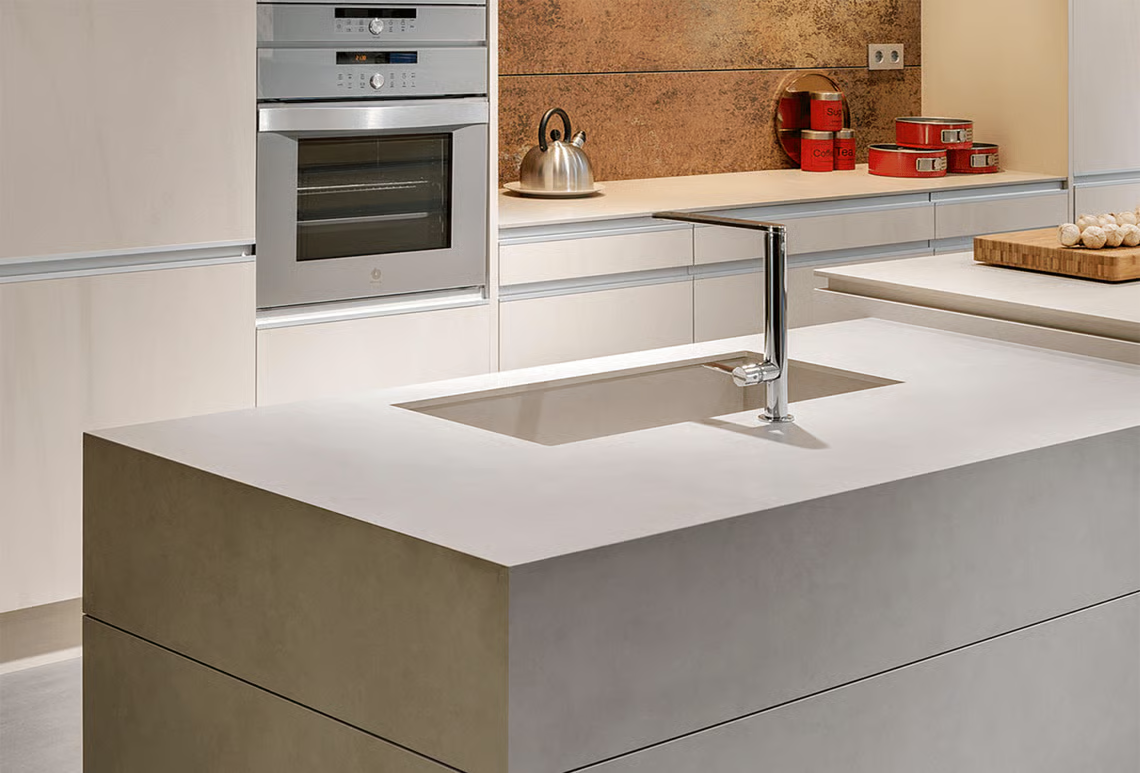
Over the past decade, sintered stone has been marketed as the ultimate solution to the limitations of natural stone. It’s often presented as indestructible, maintenance-free, heat-proof, stain-proof, and stronger than nearly any surface used in kitchens.
While many of those claims contain truth, they are often simplified in marketing materials. The reality is that sintered stone, like any architectural material, has strengths and weaknesses. When it’s chosen without understanding its fabrication requirements, edge vulnerabilities, and installation sensitivities, the results can be disappointing.
The purpose of this guide isn’t to dismiss the material. A sintered stone slab can be exceptional in the right application. But it’s important to understand where it performs well and where it requires careful planning before specifying it for a renovation.
The Marketing Gap: Why Sintered Stone Is Often Presented as Indestructible
Sintered stone entered the market with impressive technical claims. The manufacturing process compresses natural minerals under extreme heat and pressure, producing a dense, non-porous surface that resists stains, heat, and UV damage.
Because of this process, the material is frequently promoted as nearly indestructible. Many showrooms demonstrate the material by placing hot pans directly on the surface or striking it with metal objects to show its strength. While sintered stone is indeed highly durable, marketing narratives often overlook the conditions required for that durability to hold true.
For example, the surface itself is extremely resistant to scratches and stains. However, the edges and corners, like with most stone materials, remain the most vulnerable areas. Impacts from heavy objects or improper handling can cause chips or cracks, particularly along sharp edges.
The issue isn’t that the material is weak. It’s that marketing often frames it as invulnerable without explaining the practical realities of fabrication and installation. Understanding that distinction helps homeowners make better decisions about where a sintered stone slab truly excels.
Edge Vulnerability: The Weakest Point of a Strong Material
One of the most misunderstood aspects of sintered stone is its edge durability.
The material itself is extremely dense and hard. However, that hardness also means the structure can behave more like glass than traditional natural stone. When force is concentrated on a thin edge or corner, the material can chip rather than absorb the impact.
In fact, many technical guides note that edges and corners are the areas most susceptible to damage, particularly if struck by heavy cookware or tools. This doesn’t mean edges are fragile in everyday use. But it does mean that certain edge profiles, especially sharp or mitered edges, require careful fabrication.
Small design choices can dramatically affect durability. A slightly eased edge or bevel can significantly reduce the likelihood of chipping compared to a perfectly sharp profile. Professional stone fabricators understand this and often recommend subtle edge treatments that balance aesthetics with durability.
When homeowners select a sintered stone slab purely based on showroom appearance without discussing edge detailing, the finished installation can become more vulnerable than expected.
Installation Sensitivity: Where Many Failures Actually Occur
Another reason sintered stone occasionally underperforms has nothing to do with the material itself; it has to do with installation. Sintered stone slabs are extremely rigid and heavy. Because of this, they require precise support and proper adhesive systems during installation.
If the substrate beneath the slab is uneven or poorly prepared, the stone can experience stress over time. Even minor structural movement can create pressure points that eventually lead to cracking or delamination. Temperature expansion is another factor that installers must consider. Like many dense materials, sintered stone expands and contracts slightly with temperature changes. Without appropriate expansion joints or flexible adhesives, stress can build within the slab.
These issues are rarely visible immediately after installation. Instead, they tend to appear months later, often leading homeowners to believe the material itself failed. In reality, many of these problems stem from installation shortcuts rather than material defects.
Fabrication Complexity: Why Cutting Errors Are Permanent
Perhaps the most overlooked challenge with sintered stone is fabrication. The same hardness that makes the material durable also makes it extremely difficult to cut, shape, and polish. Fabrication requires specialised diamond tooling designed specifically for sintered materials. Standard stone cutting tools can overheat or produce uneven cuts, leading to microscopic fractures that weaken the edges of the slab.
These fractures may not be visible immediately, but they can become problem areas later.
Another challenge is that fabrication mistakes cannot easily be repaired. Unlike some natural stones that allow minor polishing or patching, damaged sintered stone often requires replacing the entire section.
Even during cutting, improper blade maintenance can produce jagged edges or corner fractures that render the slab unusable. This is why many experienced fabricators treat a sintered stone slab with the same caution used for large glass panels. The material is strong, but unforgiving when mistakes occur.
What Homeowners Often Miss During Material Selection
When choosing materials for a kitchen renovation, most homeowners focus on visual appeal, durability claims, and maintenance requirements. Few consider fabrication requirements. Yet fabrication is often the most critical stage for sintered stone.
Because the material requires specialised equipment and experienced technicians, not every stone fabricator is equipped to handle it properly. In regions where the material is relatively new, some fabricators may still be adapting their equipment and processes. This learning curve can lead to mistakes during cutting, transport, or installation.
For this reason, the experience level of the installer often matters more than the brand of the stone itself. Selecting a sintered stone slab without verifying fabrication expertise can introduce risks that are rarely discussed in showroom presentations.
How Professionals Approach Material Selection
Experienced stone professionals rarely treat any material as universally perfect. Instead, they match materials to specific project requirements.
For example, sintered stone performs exceptionally well in applications where heat resistance, UV stability, and stain resistance are critical. Outdoor kitchens, commercial spaces, and high-traffic environments often benefit from these properties. However, when projects involve complex edge profiles, intricate cut-outs, or inexperienced installers, other materials may be easier to fabricate and maintain.
The most reliable approach is an honest material briefing. Instead of focusing solely on marketing claims, professionals explain both the strengths and limitations of each option. When a sintered stone slab is paired with the right fabrication team and installation environment, it can perform beautifully for decades.
What to Verify Before Choosing Sintered Stone
Before specifying sintered stone for a kitchen renovation, a few important questions should always be addressed.
- First, confirm the fabricator’s experience with sintered stone specifically—not just stone in general. Ask how many similar projects they have completed.
- Second, verify that the workshop uses tooling designed for sintered materials. Specialised blades, water-jet cutters, and proper cooling systems are essential for clean fabrication.
- Third, review the planned edge profile. Sharp mitered edges may look elegant, but can increase vulnerability to impact.
- Fourth, ensure the cabinetry and supporting structures are perfectly level and capable of supporting the slab’s weight.
- Finally, confirm the installation method, including adhesives, expansion allowances, and curing time.
These steps dramatically reduce the risk of installation issues and ensure the sintered stone slab performs as intended.
Conclusion
Sintered stone is an impressive material with genuine advantages. It resists heat, stains, and UV damage better than many traditional surfaces, and it offers striking modern aesthetics. But like any architectural material, it has limitations. Edge vulnerability, fabrication complexity, and installation sensitivity are all factors that must be understood before selecting it for a project.
When those factors are ignored, homeowners may encounter chipped edges, installation issues, or costly replacements. When they are respected, and when the material is fabricated and installed by experienced professionals, a sintered stone slab can deliver exceptional performance.
The key is not believing the myth of indestructibility, but understanding the conditions required for the material to perform at its best.
FAQs
- Is sintered stone actually durable?
Yes. Sintered stone is highly resistant to heat, stains, and UV exposure, making it a durable surface for kitchens and outdoor applications.
- Can the sintered stone chip be easily removed?
While the surface is very strong, edges and corners can chip if struck by heavy objects or if the slab is improperly handled during installation.
- Why does sintered stone require specialist fabrication?
The material’s extreme hardness makes cutting and shaping difficult. Specialised diamond tools and fabrication techniques are required to avoid damaging the slab.
- Is sintered stone more expensive than other materials?
Often yes. In addition to the material cost, fabrication and installation can be more expensive because of the equipment and expertise required.
- When is sintered stone the best choice?
It works particularly well in kitchens, outdoor areas, and commercial spaces where heat resistance, stain resistance, and low maintenance are priorities.
READ MORE: Why Polycarbonate Roofing Sheets Are Replacing Traditional Roofing in Modern Garden Structures
