
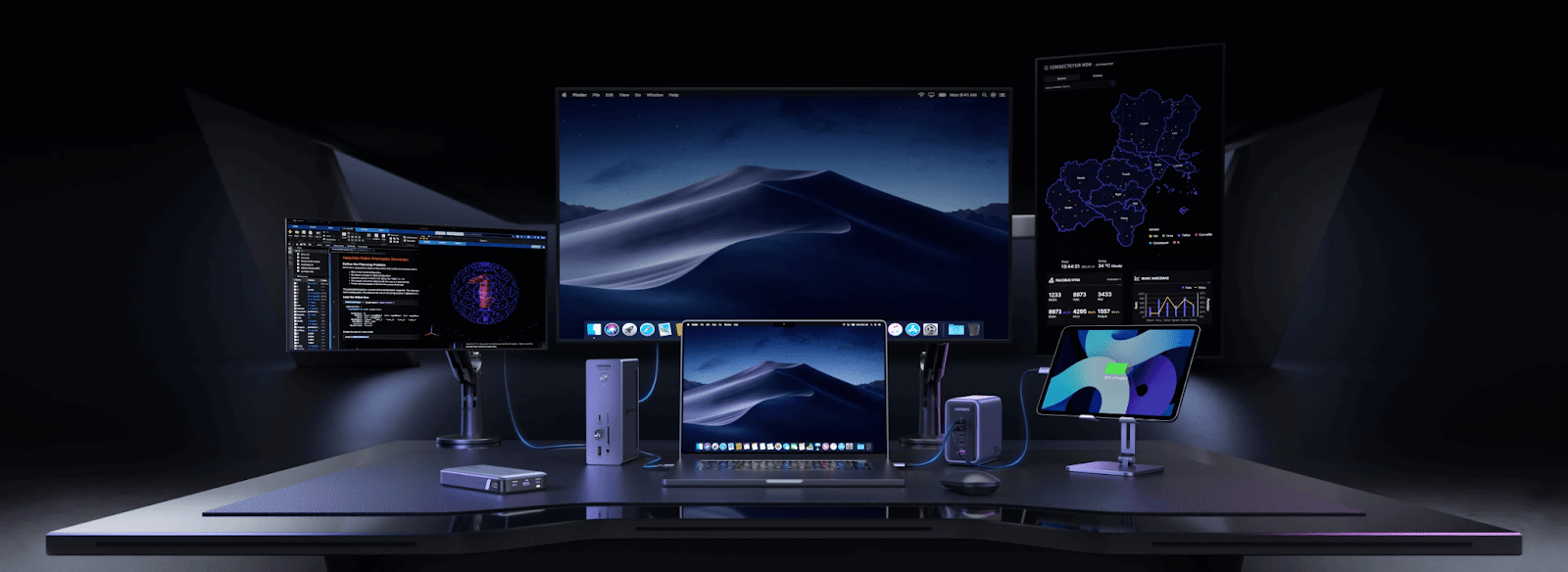
Working from home has become increasingly common for professionals across many industries. While remote work offers flexibility and convenience, it can also present challenges when it comes to staying focused and maintaining productivity. Without the structure of a traditional office environment, having the right tools and workspace setup can make a significant difference. By combining the right digital platforms, ergonomic equipment, and connectivity solutions, remote workers can create an efficient and comfortable home office.
Below are several tools and technologies that can help improve productivity when working from home.
Reliable Communication Platforms
One of the most important aspects of remote work is communication. When teams are not physically in the same office, digital communication tools become essential for collaboration and coordination.
Platforms such as video conferencing software and team messaging apps allow coworkers to stay connected throughout the day. These tools make it easy to hold meetings, share updates, and quickly solve problems. Clear communication helps prevent misunderstandings and keeps projects moving forward.
Many companies also use project management platforms to track tasks, assign responsibilities, and monitor progress. Having a centralized place for project information helps remote teams stay organized and aligned.
A Comfortable and Ergonomic Workspace
Productivity is closely connected to comfort. Sitting at a kitchen table or couch for long hours can lead to fatigue and reduced concentration. Creating a dedicated workspace with ergonomic equipment can significantly improve both comfort and focus.
A supportive chair, adjustable desk, and proper lighting are important elements of a productive home office. Additionally, positioning your laptop screen at eye level can help prevent neck strain during long work sessions.
Some remote workers also choose to use an external keyboard and mouse to create a more comfortable typing position. These simple adjustments can improve posture and make it easier to work efficiently for extended periods.
Expanding Laptop Connectivity
Modern laptops are powerful but often come with limited ports. This can become a challenge when connecting multiple devices such as monitors, keyboards, storage drives, or external accessories.
Connectivity tools can help solve this problem. For example, a USB C Hub allows users to expand the number of available ports on their laptop. With additional connections for USB devices, displays, or memory cards, a hub can make it easier to connect everything needed for daily work.
For users who rely on multiple peripherals or monitors, a laptop docking station may offer an even more convenient solution. Docking stations allow multiple devices to connect through a single cable, transforming a laptop into a full workstation when working at a desk.
Multiple Monitor Setups
Using more than one screen can significantly improve productivity when working remotely. A second monitor allows users to view multiple applications simultaneously without constantly switching between windows.
For example, one screen can display documents or spreadsheets while another screen handles email, messaging apps, or video calls. This setup reduces interruptions and helps workers maintain focus.
In many cases, a usb c docking station makes it easier to connect multiple monitors and manage display settings. These devices allow laptops to support additional screens while maintaining stable performance.
Task and Time Management Tools
Staying productive at home requires strong time management skills. Without the structure of a traditional office schedule, it can be easy to become distracted or lose track of priorities.
Task management tools help remote workers organize their daily workload and maintain clear goals. Creating task lists, setting deadlines, and tracking progress helps ensure that projects stay on schedule.
Time tracking apps can also be useful for understanding how time is spent throughout the day. By analyzing work habits, individuals can identify distractions and adjust their routines to improve productivity.
Noise Management and Focus Tools
Working from home can introduce unexpected distractions such as household noise, neighborhood sounds, or family activities. Maintaining focus in this environment sometimes requires additional tools.
Noise-canceling headphones are a popular solution for remote workers who need to concentrate during meetings or deep work sessions. Listening to instrumental music or ambient sounds can also help create a focused work atmosphere.
Some productivity apps even offer focus timers based on techniques like the Pomodoro method, which encourages short work sessions followed by brief breaks. This approach helps maintain energy and mental clarity throughout the day.
Organized Digital Storage
Another important aspect of remote productivity is digital organization. When files and documents are scattered across multiple devices or folders, it becomes difficult to locate important information quickly.
Cloud storage platforms provide a convenient way to store, share, and access files from anywhere. This ensures that documents are always available, whether working from a laptop, tablet, or smartphone.
Having organized digital storage also makes collaboration easier for teams working across different locations.
Maintaining Work-Life Balance
Productivity at home is not only about tools and technology. Maintaining a healthy balance between work and personal life is equally important.
Setting clear work hours helps create boundaries between professional and personal time. Taking regular breaks and stepping away from the desk can help prevent burnout and maintain long-term productivity.
Creating a structured routine that includes work sessions, breaks, and physical activity helps remote workers stay energized and focused throughout the day.
Final Thoughts
Working from home offers many advantages, but maintaining productivity requires the right environment and tools. Reliable communication platforms, ergonomic furniture, and task management systems all play important roles in supporting effective remote work.
Connectivity tools such as a USB C Hub, a laptop docking station, or a usb c docking station can also help transform a laptop into a more capable workstation by making it easier to connect multiple devices and displays.
By combining these tools with good work habits and a well-organized workspace, remote professionals can create a productive home office that supports both efficiency and comfort.
READ ALSO: From Text to Professional Sales Pitch: Why Your Sales Team Needs Vidnoz AI
