
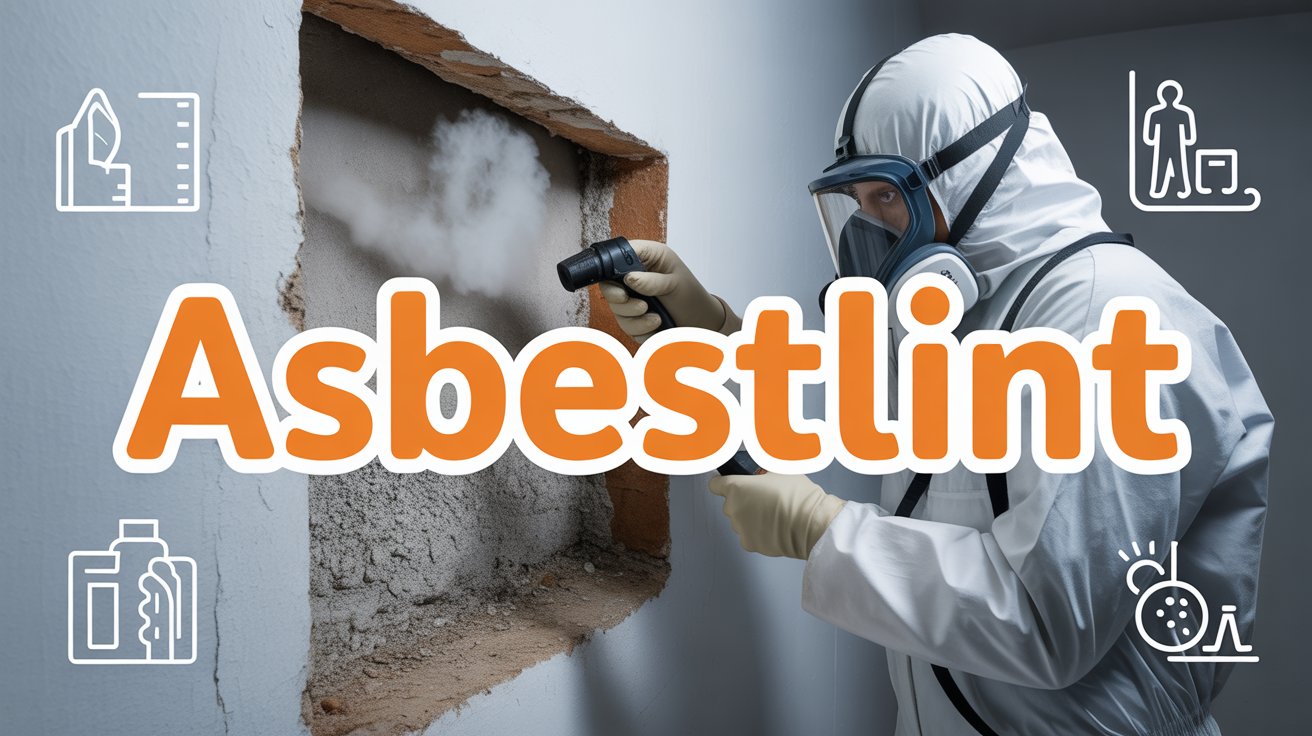
Most property owners discover asbestlint when contaminated air ducts release fibrous dust throughout buildings constructed before 1990. This ultra-fine residue from degrading asbestos-containing materials settles behind walls, insulation around pipes, and ventilation systems, where regular inspection rarely detects hidden dangers. Unlike intact asbestos materials that remain stable, asbestlint becomes airborne with minimal disturbance during renovations or routine maintenance tasks.
Microscopic fibers lodge deep in lungs, bypassing natural defenses and causing serious respiratory diseases like mesothelioma, asbestosis, and lung cancer decades after initial exposure. Understanding health risks, current regulations, safe handling practices, and certified removal processes helps homeowners, contractors, and building managers protect occupants from this hazardous substance lurking in older structures nationwide.
Understanding Asbestlint: What Makes It Different from Regular Asbestos
The Composition and Formation of Asbestlint
Asbestos tape and insulation materials degrade through decades of temperature fluctuations, creating fiber-heavy residue that travels through HVAC ducts. This fibrous composition breaks into particles invisible to the naked eye, hanging in the air for hours or days after disturbance.
Regular tasks like changing air filters or drilling ceiling tiles release harmful fibers without warning signs. The material’s hazardous nature intensifies once asbestos-containing materials begin crumbling from structural settling and moisture exposure over the years.
Common Sources in Residential and Commercial Buildings
Pre-1990 construction hides this dangerous material in locations that renovation contractors disturb without proper testing. Government offices, schools, and industrial facilities built between 1950 and 1985 contain the highest concentrations.
| Location | Risk Level | Common Age |
| Air vents, HVAC ducts | High | 1950-1990 |
| Insulation around pipes | Very High | 1960-1985 |
| Drop ceilings, tiles | Medium | 1970-1995 |
| Behind walls near insulation | High | Pre-1980 |
Older buildings contain asbestos materials in flooring, roofing materials, and outdated insulation where fibrous dust collects underneath padding and within crumbly, flaky surfaces above workspaces.
Health Consequences of Asbestlint Exposure You Need to Know
Short-Term vs Long-Term Health Effects
Inhalation of fibers causes immediate respiratory irritation—persistent coughing, throat tickle, and shortness of breath that individuals might dismiss as minor discomfort. But lung scarring progresses silently while initial symptoms subside.
Asbestosis develops through the cumulative effect of inhaling particles over weeks or months, resulting in chronic lung disease with scarring and inflammation. This condition often proves fatal once severe symptoms manifest decades after initial contact with contaminated environments.
Mesothelioma, that rare and extremely serious cancer affecting the lung lining, takes years to develop. Medical reports from 2025 confirmed a rise in environmental injuries related to indoor air pollutants, especially in aging buildings not up to current safety codes.
High-Risk Groups and Vulnerability Factors
Kids and older adults face disproportionate dangers because their bodies’ natural defenses can’t expel lodged fibers effectively. DIY enthusiasts and renovation contractors working without proper protective equipment inhale airborne residue during demolition.
Smokers exposed to asbestos face a higher risk of lung cancer. Even minimal exposure over time proves harmful; no level of exposure is considered safe, according to health professionals and EPA compliance standards.
How to Identify Asbestlint in Your Property: A Step-by-Step Guide
You can’t identify asbestos particles with your eyes alone. Warning signs demand immediate attention: grayish lint or white fuzz collecting around vent covers, flaky or peeling insulation on pipes and ceilings, and slightly fuzzy dust that keeps returning after cleaning.
Conducting a thorough inspection yourself risks disturbing materials and releasing dangerous fibers into the air, increasing the risk of inhalation. Hire certified environmental testing providers with specialized tools and expertise to handle this hazardous substance properly.
Professional inspectors use accurate assessment methods. Lab results determine whether immediate action is needed before planning renovations or repairs in homes built before the 1980s.
| Testing Method | Cost Range | Accuracy | Turnaround Time |
| PCM (Basic Microscopy) | $200-$450 | Quick visual check | 24-48 hours |
| TEM (Electron Microscope) | $300-$800 | Detailed lab test | 4-7 days |
Always ensure licensed abatement contractors perform testing according to local regulations and safety standards. Protecting the home and health should come first.
Current Asbestlint Regulations and Legal Requirements in 2025
Federal EPA and OSHA Standards
EPA compliance mandates inspection of HVAC and insulation updates in pre-1990 buildings when contaminants might be disturbed during construction or demolition. OSHA guidelines require employers to ensure a safe breathing environment with proper ventilation and protective gear.
Professionals trained in asbestos abatement follow rules closely to minimize health risks. Fines for ignoring dust contamination during construction can exceed $25,000 per incident in 2025—failure to comply isn’t just dangerous, it’s expensive.
State and Local Building Code Variations
Many cities like New York, Chicago, and Seattle now require annual air quality checks in public buildings. Local and national laws governing asbestlint vary by region, with penalties imposed on those who neglect safety protocols.
Property owners must stay informed about specific guidelines that dictate how asbestlint should be removed or contained. Awareness helps protect not just individual health but public safety at large.
Professional Asbestlint Removal: What to Expect and How to Choose Contractors
Licensed professionals hold certifications from EPA or NVLAP, proving expertise in safe removal. Certified teams isolate areas using plastic sheeting and containment units, and install negative pressure to keep dust from spreading.
HEPA filtration and wet cleaning tools trap particles rather than stir up fibers. Professionals dispose of waste safely following strict hazmat disposal rules, ensuring waste material doesn’t contaminate other environments.
The removal process includes:
- Containment and isolation with proper sealing
- Installation of negative air pressure systems
- Use of respirators, gloves, and protective suits
- Dampening surfaces to prevent fibers from becoming airborne
- Double plastic bags for waste before disposal
- Post-removal clearance testing
Hiring professionals costs more initially, but prevents turning small problems into full-blown building contamination. Ensure contractors provide documentation, warranties, and guarantee work meets current regulations for legal and financial protection.
Safe Handling Practices for Asbestlint: Protection Protocols
Personal protective equipment is essential when working in environments that may contain asbestos. Respirators designed specifically for filtering out fibers, protective suits preventing particles from reaching skin or lungs, and proper eye protection are non-negotiable.
Keep the workspace well-ventilated with good air circulation to reduce fiber concentration. Avoid dry sweeping or using compressed air for cleanup—these release harmful fibers into the air where they linger.
Training ensures everyone involved understands proper techniques and risks associated with exposure. Label bags clearly to alert others of contents, seal waste material appropriately, and use wet wipes for cleanup instead of methods that disturb settled dust.
If you suspect asbestlint is present, avoid disturbing it. Disturbance releases dangerous fibers, increasing inhalation risk. Consult professionals who specialize in safe evaluation and removal.
Cost Analysis: Budgeting for Asbestlint Testing and Removal
Pricing varies depending on building size, amount of dust, and how much testing or removal is needed. Understanding costs helps plan financially for necessary safety measures.
Average 2025 service prices:
- Basic air quality test: $200-$450
- Certified lab sample: $300-$800
- Full dust removal: $1,800-$6,000
- Vent maintenance plan: $150-$500 per year
Square footage, accessibility, and material type drive price variations. Removing insulation around pipes in tight spaces costs more than clearing accessible drop ceilings or tiles.
Some insurance might cover expenses, leading to reduced financial strain. Check with local environmental agencies—certain areas now offer rebates or grants for certified testing and removal in residential properties built before 1990.
Asbestlint-Free Alternatives: Modern Building Materials
Several modern materials offer safer alternatives when replacing asbestlint. Fiberglass tape is lightweight and resistant to heat, making it ideal for insulation purposes and sealing joints.
Mineral wool or rock wool insulation provides excellent thermal resistance with fire-resistant properties. Silicone-based adhesives give strong adhesion without the risks associated with asbestos-containing products.
Cellulose insulation made from recycled paper offers eco-friendly solutions while being safe for residential use. Each option effectively meets various needs while ensuring safety and compliance with regulations surrounding hazardous substances.
Prevention and Maintenance: Keeping Your Property Asbestlint-Free
Once removed, ongoing maintenance and prevention stop future buildup in vents or rooms. Have HVAC units professionally cleaned yearly, and install HEPA filters in high-risk environments to trap airborne particles.
Avoid breaking or drilling old ceiling tiles and pipes without testing first. Have buildings re-assessed every 2-3 years if built before 1990, especially those converted from industrial spaces to residential units.
Regular monitoring of living environments for signs of deterioration in older materials helps identify potential risks early. Cracks or damage could indicate the presence of crumbling asbestos-containing materials that need professional attention.
Educate everyone in households about the dangers associated with exposure. Knowledge fosters safer practices among family members and coworkers alike.
Conclusion
Understanding asbestlint’s serious health implications remains crucial for homeowners and those working in older buildings. This silent threat lurks within the walls, attics, and basements of structures built before 1990, where microscopic fibers from degrading asbestos-containing materials contaminate breathing environments. Recognizing where asbestos may be present allows informed steps toward safety through professional identification and removal when necessary. Legal implications surrounding exposure highlight the importance of proactive measures, while protecting yourself involves more than physical safeguards—education empowers better decisions prioritizing family well-being. Arm yourself with knowledge regarding asbestlint to navigate potential hazards effectively. Taking measures now through certified environmental testing, proper handling practices, and compliance with current regulations could prevent serious respiratory diseases like mesothelioma and asbestosis that manifest years later.
Frequently Asked Questions
Q1: What exactly is asbestlint, and how is it different from asbestos?
Asbestlint is fine, fibrous dust from degrading asbestos-containing materials in older buildings. Unlike stable intact asbestos, this ultra-fine residue becomes airborne easily, travels through ventilation systems, and lodges deep in the lungs.
Q2: Can asbestlint exposure cause immediate health problems?
Yes. Short-term exposure causes respiratory irritation, persistent coughing, and shortness of breath. Kids and older adults show immediate sensitivity. Serious diseases like mesothelioma and asbestosis develop over months or years through cumulative effects.
Q3: Is DIY asbestlint removal ever safe or legal?
No. DIY removal is often illegal and dangerous. Without proper containment, HEPA filtration, and negative pressure systems, fibers spread throughout buildings. Always hire certified professionals with EPA or NVLAP certifications for safe handling.
Q4: How much does professional asbestlint testing cost in 2025?
Basic air quality tests cost $200-$450. Certified lab samples range from $300 to $800. PCM testing provides quick results in 24-48 hours. TEM electron microscope testing offers detailed accuracy within 4-7 days from certified providers.
Q5: Are newer homes built after 2000 at risk for asbestlint?
Rarely. New buildings after the mid-1990s typically don’t contain asbestos materials due to regulations. However, homes built or renovated before 1990, especially structures from 1950-1985, present the highest risk in ventilation systems and insulation.
Q6: What should I do if I accidentally disturbed asbestlint material?
Stop immediately. Evacuate the area and avoid further disturbance. Contact certified abatement professionals with proper containment equipment. Don’t attempt cleanup yourself. Ensure proper ventilation and wash clothes separately to prevent fiber spread throughout the building.
