
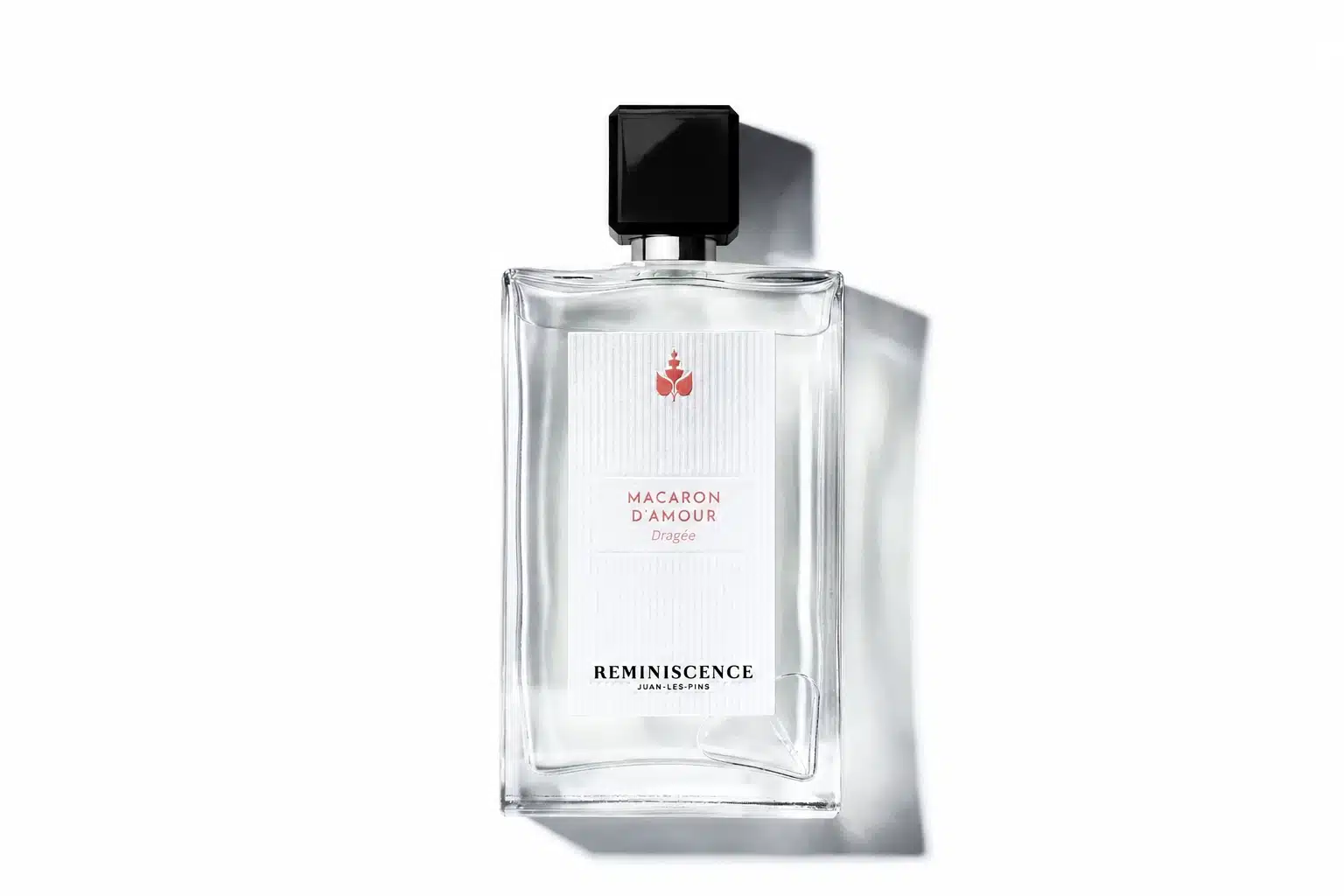
Gourmand perfumes have become a favourite among fragrance lovers who enjoy scents that feel warm, delicious, and inviting. Inspired by edible ingredients such as vanilla, caramel, chocolate, coffee, nuts and sweet fruits, gourmand fragrances can create an instantly comforting impression. However, not all gourmand perfumes are created with the same philosophy. The difference between niche gourmand perfumes and designer gourmands can be significant, particularly in terms of creativity, composition, and overall character.
For those wanting to discover the selection of gourmand fragrances, exploring both categories is a great way to understand which style suits their personality and preferences.
What Makes a Perfume Gourmand?
A gourmand fragrance is built around notes that remind the wearer of food or desserts. Vanilla is one of the most recognisable gourmand ingredients, but modern compositions can go much further. Chocolate, praline, caramel, coffee, almond, coconut, honey and spicy accords can all contribute to a sweet and edible character.
Despite their reputation for sweetness, gourmand fragrances are not necessarily heavy or overly sugary. Perfumers can balance sweet notes with woods, spices, florals, musk or citrus to create something sophisticated and versatile.
The Appeal of Designer Gourmands
Designer fragrances are generally created for broad audiences, which means accessibility is often an important consideration. A designer gourmand may feature a familiar combination of vanilla, fruit, caramel or chocolate designed to be immediately appealing.
This accessibility makes designer gourmands an excellent starting point for someone exploring sweet fragrances. They are often easy to wear, recognisable and suitable for everyday occasions. Their compositions may also be designed with versatility in mind, allowing the same bottle to work for casual outings, evenings or special occasions.
However, the emphasis on mass appeal can sometimes mean that a designer gourmand feels less experimental. The fragrance may follow familiar trends rather than taking significant creative risks.
What Sets Niche Gourmands Apart?
Niche gourmand perfumes tend to place greater emphasis on individuality and artistic expression. Instead of simply reproducing the smell of a popular dessert, niche perfumers may combine gourmand ingredients with unexpected accords.
For example, a creamy vanilla and tonka bean composition might be given greater depth with warm benzoin, while almond or almond blossom could be contrasted with the fresh, green character of fig leaf. Orange blossom and white musk can also introduce a softer floral or clean dimension to sweeter ingredients. These combinations can make the fragrance feel more layered, distinctive and less predictable.
For fragrance enthusiasts who want something less predictable, exploring a gourmand scent collection by Réminiscence can be an interesting way to discover different interpretations of the gourmand style.
Longevity and Complexity
One of the attractions of many gourmand fragrances is their ability to create a noticeable scent trail. Sweet and resinous ingredients can often provide warmth and depth, although longevity ultimately depends on the individual formula and the wearer’s skin.
Niche fragrances are frequently appreciated for their evolving compositions. Rather than smelling exactly the same from the first spray to the final dry-down, a complex gourmand may gradually reveal different layers. A creamy opening might become spicier, woodier or more musky as the fragrance develops.
Designer gourmands can also offer impressive longevity and complexity, so the distinction should not be treated as a strict rule. The quality of a fragrance depends on its individual formulation rather than its label alone.
Which One Should You Choose?
The right choice depends on what you want from your perfume. If you prefer something familiar, versatile and immediately appealing, a designer gourmand could be the ideal option. These fragrances can be particularly suitable for everyday wear and for anyone who prefers a straightforward signature scent.
If individuality is more important, a niche gourmand may be more rewarding. Unusual combinations and creative interpretations can provide a fragrance experience that feels personal rather than predictable.
Ultimately, there is no winner between niche and designer gourmand perfumes. Both offer different approaches to sweetness, warmth and comfort. The best choice is the fragrance that complements your personality, fits the occasion and makes you enjoy wearing it.
Whether you prefer a rich dessert-inspired aroma or a more sophisticated interpretation of sweetness, gourmand perfumery offers plenty of opportunities to experiment. Comparing niche and designer creations can help you move beyond familiar vanilla and discover just how diverse and expressive a gourmand scent can become.
